
How to Choose the Right PTFE Fittings for Chemical Pipelines
Have you ever invested in a high-quality chemical pipeline system only to experience leaks, corrosion, or unexpected maintenance issues a few years later?
In many cases, the problem is not the pipe itself—it is the fittings.
From my experience working with chemical processing plants, semiconductor manufacturers, electronic chemical facilities, and specialty gas projects, pipeline fittings are often overlooked during system design. However, they are among the most critical components in any chemical transfer system. A single fitting failure can cause leaks, contamination, safety hazards, and costly downtime.
This is why selecting the right PTFE fittings is so important.
PTFE (Polytetrafluoroethylene) fittings provide exceptional chemical resistance, excellent purity, and long-term reliability. They are widely used in corrosive chemical environments where conventional metal or plastic fittings cannot provide sufficient performance.
In this guide, I will explain how to choose the right PTFE fittings for chemical pipelines, compare different fitting materials, discuss practical applications, and share selection tips based on real industrial experience.
What Are PTFE Fittings?
Why PTFE Fittings Are Essential for Chemical Pipelines
Common Types of PTFE Fittings
PTFE Fittings vs Alternative Materials
How to Select the Right PTFE Fittings
Real-World Applications in Chemical Industries
Why Jiangsu Jiexin New Material Is a Trusted Supplier
Frequently Asked Questions
PTFE fittings are pipeline connection components manufactured from PTFE or designed with PTFE-lined surfaces.
Their primary function is to connect, redirect, seal, or terminate pipeline systems while maintaining chemical compatibility and leak-free performance.
Common PTFE fittings include:
Elbows
Tees
Reducers
Flanges
Couplings
Unions
Adapters
End caps
These fittings are commonly used alongside:
PTFE-lined pipes
PTFE valves
PTFE reactors
Chemical delivery systems
Because PTFE is highly inert, these fittings provide reliable protection against aggressive chemicals.
Chemical pipeline systems often transport highly corrosive substances.
Examples include:
Sulfuric acid
Hydrochloric acid
Hydrofluoric acid
Nitric acid
Sodium hydroxide
Chlorine compounds
Organic solvents
Many conventional materials degrade over time when exposed to these chemicals.
PTFE fittings help solve this problem.
PTFE is resistant to nearly all industrial chemicals.
This broad compatibility reduces corrosion-related failures.
High-quality PTFE fittings provide excellent sealing performance.
This minimizes the risk of:
Chemical leakage
Product loss
Environmental incidents
PTFE does not react with process media.
This makes it ideal for:
Semiconductor chemicals
Electronic chemicals
Pharmaceutical production
PTFE fittings often last significantly longer than conventional alternatives.
Less corrosion means fewer repairs and lower operating expenses.
Selecting the proper fitting type depends on system requirements.
Used to change pipeline direction.
Typical angles include:
45°
90°
180°
Common applications:
Process pipelines
Chemical transfer systems
Allow flow distribution or collection.
Applications include:
Branch connections
Process manifolds
Used when changing pipe diameter.
Benefits include:
Improved flow control
Flexible system design
Flanges provide removable pipe connections.
Advantages include:
Easy maintenance
Simplified inspections
Strong sealing performance
Unions allow rapid disassembly of pipeline sections.
Ideal for:
Maintenance access
Equipment replacement
Adapters connect components with different connection styles.
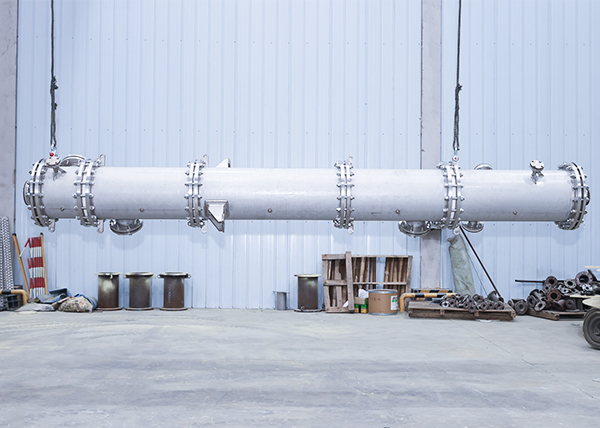
Material selection has a major impact on pipeline reliability.
| Material | Chemical Resistance | Purity | Temperature Resistance | Service Life |
|---|---|---|---|---|
| PTFE | Excellent | Excellent | Excellent | 15–25+ Years |
| Stainless Steel 316L | Moderate | Good | Excellent | 5–15 Years |
| PVC | Moderate | Good | Limited | 5–10 Years |
| Polypropylene | Good | Good | Moderate | 8–12 Years |
| FRP | Good | Moderate | Moderate | 8–15 Years |
Source: ASTM Material Standards, NACE Corrosion Engineering Handbook.
| Chemical | PTFE | Stainless Steel | PVC |
|---|---|---|---|
| Sulfuric Acid | Excellent | Fair | Good |
| Hydrochloric Acid | Excellent | Poor | Good |
| Hydrofluoric Acid | Excellent | Poor | Poor |
| Nitric Acid | Excellent | Good | Fair |
| Sodium Hydroxide | Excellent | Good | Good |
Source: Fluoropolymer Chemical Resistance Guide and Industrial Compatibility References.
The data clearly demonstrates why PTFE fittings are widely used in severe corrosion applications.
Selecting the right PTFE fittings requires more than simply matching pipe sizes.
Always confirm compatibility with:
Process chemicals
Cleaning chemicals
Future process changes
Although PTFE is highly resistant, system-wide compatibility remains important.
PTFE performs well under elevated temperatures, but operating limits should always be verified.
Pressure requirements vary significantly between applications.
Always ensure fittings meet:
Working pressure
Design pressure
Safety margins
Different systems require different connection methods.
| Application | Recommended Fitting |
|---|---|
| Direction Changes | PTFE Elbow |
| Flow Branching | PTFE Tee |
| Pipe Size Changes | PTFE Reducer |
| Equipment Connections | PTFE Flange |
| Frequent Maintenance | PTFE Union |
| Mixed Connections | PTFE Adapter |
Source: Industrial Pipeline Design Guidelines and Engineering Best Practices.
Look for suppliers that provide:
Precision machining
Dimensional accuracy
Leak testing
Material certification
The cheapest fitting is rarely the most economical option.
Long service life often delivers greater savings over time.
Chemical production facilities rely on PTFE fittings to safely transport aggressive acids and solvents.
High-purity process chemicals require contamination-free pipeline systems.
PTFE fittings help maintain strict cleanliness standards.
Corrosive electronic-grade chemicals demand highly resistant pipeline components.
PTFE fittings are commonly specified in these systems.
Gas delivery systems often incorporate PTFE-lined components to improve durability and reliability.
Waste treatment and Exhaust Gas Treatment Systems benefit from PTFE's corrosion resistance.
PTFE fittings support both purity requirements and regulatory compliance.
At Jiangsu Jiexin New Material Co., Ltd., we specialize in the design and manufacturing of PTFE-Lined Equipment and fluoropolymer process systems.
Since our establishment in 2019, we have developed comprehensive capabilities covering:
Research and development
Engineering design
Manufacturing
Quality control
Turnkey project delivery
Our facilities include:
30,000㎡ production workshop
3,500㎡ clean workshop
1,000㎡ product research laboratory
Our technical team consists of more than 150 specialists.
Our product range includes:
PTFE fittings
PTFE valves
PTFE piping systems
PTFE storage tanks
PTFE reactors
Steel-lined plastic transportation tanks
Our solutions are widely applied in:
Semiconductor manufacturing
Electronic chemicals
Specialty gases
Display panel industries
Photovoltaic industries
Chemical processing plants
Through continuous innovation and engineering excellence, we help customers build safer and more reliable chemical processing systems.
Even the highest-quality fitting can fail if improperly installed.
Pipeline stress can reduce fitting lifespan.
Proper support is essential.
Periodic inspections help identify issues before they become major problems.
Combining PTFE pipes, valves, and fittings improves overall system reliability.
Engineering expertise often prevents costly design mistakes.
PTFE provides exceptional resistance to acids, alkalis, solvents, and corrosive gases.
Many PTFE fittings remain in service for 15–25 years or longer when properly installed and maintained.
Yes. Their high purity and chemical inertness make them ideal for semiconductor and electronic chemical industries.
Absolutely. PTFE is one of the most resistant materials available for hydrofluoric acid service.
PTFE offers significantly better chemical resistance in highly corrosive environments, while stainless steel may be more suitable for certain high-pressure mechanical applications.
Selecting the right PTFE fittings is essential for achieving long-term reliability in chemical pipeline systems. Properly chosen fittings help prevent corrosion, reduce maintenance costs, improve safety, and maintain product purity.
Compared with conventional materials, PTFE fittings offer superior chemical compatibility, excellent temperature resistance, long service life, and exceptional performance in harsh chemical environments.
As a professional PTFE Equipment manufacturer, we continue helping customers worldwide design and build reliable chemical process systems through advanced PTFE fittings, valves, piping systems, storage tanks, reactors, and turnkey engineering solutions. For facilities handling aggressive chemicals, investing in high-quality PTFE fittings is one of the smartest long-term decisions available.
Address: No. 1 Jingpohu Road, Suqian-Suzhou Industrial Park, Suqian City, Jiangsu Province
Xu Hao: 13813955525
Xu Gang: 15189058237
E-mail: zhaojiguang@jsjcxcl.com.cn


Copyright © 2023 Jiangsu Jiechuang New Materials Co., Ltd sitemap
This website uses cookies to ensure you get the best experience on our website.

 Pусский
 日本語
日本語 한국어
한국어 हिन्दी



 WhatsApp
 Phone
Phone
Comment
(0)