
Advantages of PTFE Ball Valves in Corrosive Fluid Handling
Have you ever dealt with a valve failure that caused a chemical leak, production shutdown, or even contamination of an entire batch?
In corrosive fluid handling systems, this is not a rare situation. I have personally seen plants lose hours—or even days—of production because a single valve could not withstand aggressive acids or solvents. In most cases, the weak point is not the pipeline itself, but the valve material.
This is where PTFE ball valves become extremely important.
In chemical manufacturing, semiconductor production, electronic chemicals, and specialty gas systems, fluids are often highly corrosive and unstable. Traditional metal valves may corrode, seize, or leak over time. PTFE (Polytetrafluoroethylene) ball valves, however, provide a strong combination of chemical resistance, sealing performance, and long service life.
In this article, I will explain the real advantages of PTFE ball valves in corrosive fluid handling, compare them with conventional valve types, show real industrial applications, and share practical selection tips based on engineering experience.
What Are PTFE Ball Valves?
Why PTFE Is Ideal for Corrosive Fluid Systems
Key Advantages of PTFE Ball Valves
PTFE Ball Valves vs Other Valve Materials
Industrial Applications in Harsh Environments
How to Select the Right PTFE Ball Valve
Why Professional Manufacturing Matters
Frequently Asked Questions
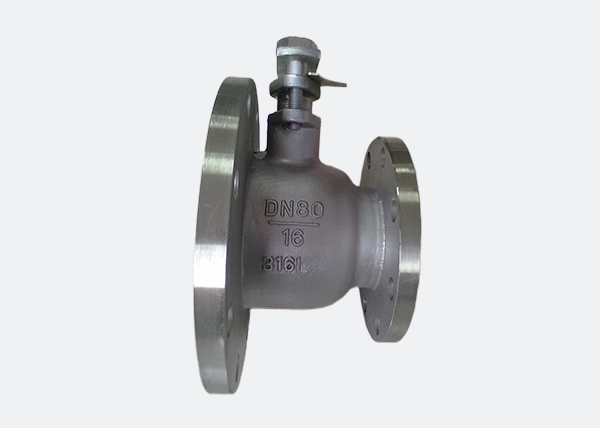
PTFE ball valves are flow control devices where the sealing surfaces or internal wetted parts are lined or coated with PTFE material.
A typical structure includes:
Metal valve body (for strength)
PTFE lining or PTFE seat
Rotating ball for on/off control
Stem and sealing components
The key idea is simple:
PTFE protects the internal flow path from corrosive chemicals, while the metal structure provides mechanical strength.
These valves are widely used in:
Chemical processing systems
Acid transfer pipelines
Semiconductor chemical delivery
Electronic-grade fluid systems
Waste treatment plants
PTFE is one of the most chemically inert materials available in industrial engineering.
PTFE can resist:
Sulfuric acid
Hydrochloric acid
Hydrofluoric acid
Nitric acid
Strong alkalis
Organic solvents
Chlorinated compounds
PTFE does not easily react with process fluids, making it ideal for high-purity industries such as semiconductors.
PTFE generally works well in temperatures up to around 260°C (500°F).
This helps reduce:
Wear inside the valve
Operating torque
Sealing damage
Unlike many plastics, PTFE does not easily age or degrade under chemical exposure.
The biggest advantage is simple: PTFE does not corrode easily.
This dramatically reduces valve failure rates in aggressive chemical environments.
PTFE ball valves provide tight shut-off, even in high-corrosion systems.
This helps prevent:
Chemical leakage
Process contamination
Environmental hazards
In real industrial projects, PTFE ball valves often last 2–3 times longer than stainless steel valves in corrosive environments.
Less corrosion means:
Fewer repairs
Less downtime
Lower operating cost
PTFE valves maintain stability even when handling aggressive acids and solvents.
| Valve Type | Corrosion Resistance | Typical Service Life | Maintenance Level |
|---|---|---|---|
| PTFE Ball Valve | Excellent | 15–25+ years | Low |
| Stainless Steel Valve | Moderate | 5–12 years | Medium |
| PVC Valve | Good | 5–10 years | Medium |
| Polypropylene Valve | Good | 8–12 years | Medium |
| Alloy Steel Valve | Moderate | 6–15 years | High |
Source: NACE Corrosion Engineering Handbook, ASTM Industrial Valve Standards
| Chemical | PTFE Ball Valve | Stainless Steel Valve | PVC Valve |
|---|---|---|---|
| Sulfuric Acid | Excellent | Fair | Good |
| Hydrochloric Acid | Excellent | Poor | Good |
| Hydrofluoric Acid | Excellent | Poor | Poor |
| Nitric Acid | Excellent | Good | Fair |
| Organic Solvents | Excellent | Moderate | Good |
Source: Fluoropolymer Chemical Resistance Database (Industrial Engineering Reference)
PTFE ball valves are widely used in acid and solvent transfer systems.
They help maintain stable flow control in highly corrosive environments.
Ultra-high purity chemicals require contamination-free valves.
PTFE ensures no metal ion contamination enters the process.
Used in wet chemical processes where corrosion risk is extremely high.
PTFE valves help maintain sealing integrity under aggressive gas exposure.
Used in scrubbers, neutralization systems, and waste treatment pipelines.
Even though PTFE is highly resistant, supporting materials (stem, seals, body) must also be compatible.
Always check:
Working pressure
Peak pressure
Safety margin
PTFE performs well, but system design still matters.
Common options include:
Flanged
Threaded
Welded
Lined pipeline integration
| Application Type | Recommended Valve Specification |
|---|---|
| Acid Transfer | Full PTFE-lined ball valve |
| High Purity Systems | Ultra-clean PTFE ball valve |
| General Chemical Use | Standard PTFE ball valve |
| High Pressure Systems | Reinforced PTFE ball valve |
| Corrosive Gas Lines | Sealed PTFE ball valve |
Source: Industrial Fluid Handling Design Guidelines
Good engineering design is as important as material selection.
At Jiangsu Jiexin New Material Co., Ltd., we focus on PTFE-Lined Equipment manufacturing and chemical system engineering.
Since 2019, we have built strong capabilities in:
PTFE Equipment design
Chemical process system development
Turnkey engineering solutions
High-end manufacturing for electronic industries
Our facilities include:
30,000㎡ production workshop
3,500㎡ clean workshop
1,000㎡ R&D center
Our team includes over 150 technical engineers.
Our products include:
PTFE ball valves
PTFE piping systems
PTFE reactors
We serve industries such as:
Semiconductor manufacturing
Electronic chemicals
Specialty gases
Photovoltaic systems
Chemical processing plants
Our focus is always on improving safety, durability, and system reliability.
Operating valves without fluid can damage sealing surfaces.
Sudden pressure changes may reduce valve lifespan.
PTFE valves perform best when used with PTFE piping systems.
Early detection of wear prevents unexpected shutdowns.
Proper installation ensures long-term reliability.
Because PTFE resists most acids, alkalis, and solvents, making it ideal for harsh chemical systems.
Typically 15–25 years depending on operating conditions.
Yes, PTFE has excellent resistance to hydrofluoric acid.
Yes, they are widely used in semiconductor and electronic chemical systems.
Much higher corrosion resistance and longer service life in aggressive chemical environments.
PTFE ball valves offer clear advantages in corrosive fluid handling systems. Their superior chemical resistance, long service life, stable sealing performance, and low maintenance requirements make them a reliable solution for modern chemical industries.
Compared with conventional valve materials, PTFE ball valves consistently deliver better performance in harsh environments, especially in semiconductor, chemical processing, and electronic chemical applications.
As a professional PTFE equipment manufacturer, we continue to support global customers with high-performance PTFE valves, piping systems, storage tanks, and integrated chemical process solutions designed for long-term industrial reliability.
Address: No. 1 Jingpohu Road, Suqian-Suzhou Industrial Park, Suqian City, Jiangsu Province
Xu Hao: 13813955525
Xu Gang: 15189058237
E-mail: zhaojiguang@jsjcxcl.com.cn


Copyright © 2023 Jiangsu Jiechuang New Materials Co., Ltd sitemap
This website uses cookies to ensure you get the best experience on our website.

 Pусский
 日本語
日本語 한국어
한국어 हिन्दी



 WhatsApp
 Phone
Phone
Comment
(0)