
Industrial Gas Cylinder Filling Cabinet: The Safe and Efficient Solution for Gas Storage, Transfer, and Filling Operations
Have you ever wondered how liquid oxygen, liquid nitrogen, argon, hydrogen, or other industrial gases are safely stored, transferred, and filled without leaks or contamination?
In industries such as semiconductors, electronics chemicals, medical gas production, laboratories, and industrial manufacturing, gas handling is not simply about moving materials from one place to another. Safety, purity, pressure control, and operational efficiency all play critical roles. A single leak or filling error can result in production downtime, product contamination, safety incidents, or significant financial losses.
As a professional manufacturer of fluoropolymer-lined equipment and process systems, we at Jiangsu Jiechuang New Materials Co., Ltd. have worked closely with customers in electronic chemicals, specialty gases, semiconductor facilities, and high-purity fluid systems. Through years of engineering experience, we have seen how a well-designed Industrial Gas Cylinder Filling Cabinet can significantly improve workplace safety, operational efficiency, and gas quality control.
In this guide, we will explain what a filling cabinet is, how it works, where it is used, how to select the right model, and what features buyers should prioritize before making an investment.
On This Page
What Is an Industrial Gas Cylinder Filling Cabinet?
How Does a Filling Cabinet Work?
Types of Industrial Gas Cylinder Filling Cabinets
Major Applications Across Industries
Benefits of Using a Gas Cylinder Filling Cabinet
How to Choose the Right Filling Cabinet
Comparison of Filling Cabinet Technologies
Maintenance and Safety Best Practices
Frequently Asked Questions
Conclusion
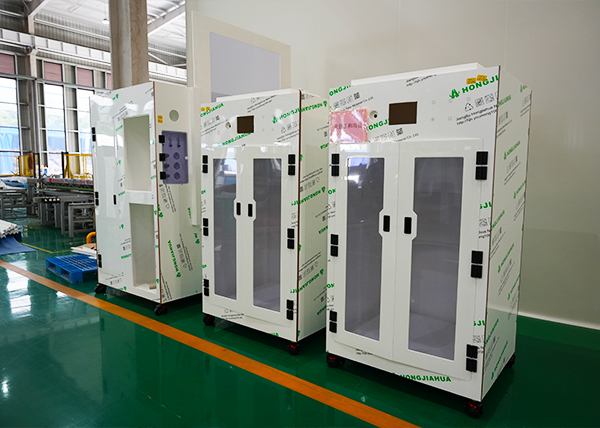
An Industrial Gas Cylinder Filling Cabinet is a specialized system designed for the safe storage, transfer, filling, and handling of liquid or gaseous chemicals and industrial gases.
The equipment typically includes:
Pressure-resistant cabinet structure
Filling manifolds
Valves and regulators
Gas distribution pipelines
Monitoring instruments
Safety interlock systems
Emergency shutoff devices
Leak detection systems
The primary purpose of the cabinet is to provide a controlled environment for transferring gases into cylinders while minimizing risks associated with pressure fluctuations, contamination, and leakage.
Depending on the application, filling cabinets may handle:
Liquid Nitrogen (LN2)
Liquid Oxygen (LOX)
Liquid Argon (LAr)
Nitrogen (N2)
Hydrogen (H2)
Helium (He)
Carbon Dioxide (CO2)
Specialty Electronic Gases
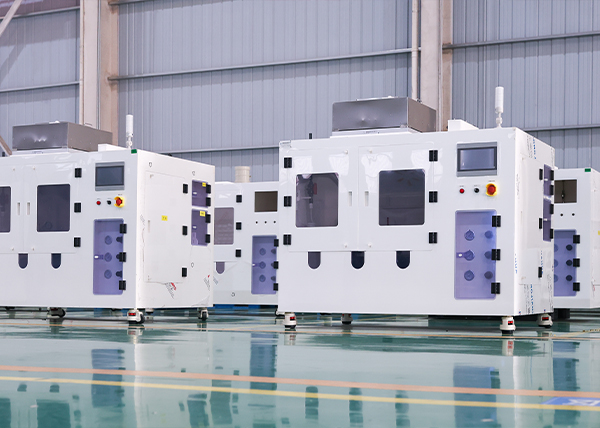
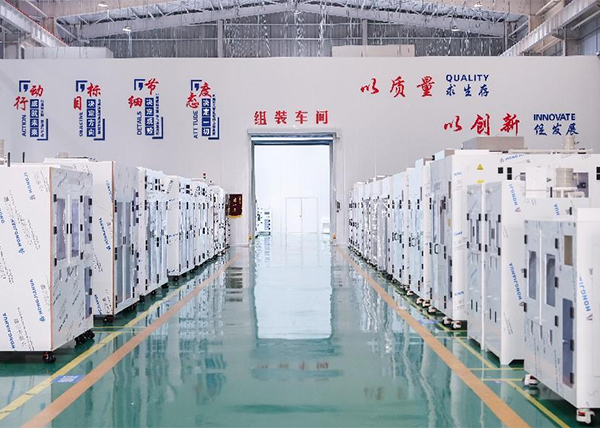
The operating principle is straightforward but highly engineered.
The filling cabinet controls gas flow through a combination of valves, pressure regulators, pipelines, and monitoring instruments.
A typical process includes:
Gas is introduced from storage tanks, vaporization systems, or bulk supply networks.
The system stabilizes pressure levels before gas enters the filling manifold.
Gas is transferred into cylinders under carefully controlled pressure and flow conditions.
Sensors continuously monitor:
Pressure
Temperature
Flow rate
Leakage conditions
When preset parameters are reached, the system automatically stops the filling process.
This controlled process improves consistency while reducing operator involvement.
Industrial filling cabinets are generally divided into two main categories.
These systems are designed for cryogenic liquids such as:
Liquid Nitrogen
Liquid Oxygen
Liquid Argon
Because these substances remain liquid only under extremely low temperatures, specialized insulation and pressure management are required.
Gas filling cabinets are designed for compressed gases including:
Hydrogen
Nitrogen
Helium
Carbon Dioxide
Specialty Gases
These cabinets focus primarily on pressure management, leak prevention, and purity protection.
| Feature | Liquid Filling Cabinet | Gas Filling Cabinet |
|---|---|---|
| Medium | Cryogenic Liquids | Compressed Gases |
| Operating Temperature | Very Low | Ambient |
| Insulation Requirement | High | Low |
| Pressure Control | Moderate | Very High |
| Typical Industries | Medical, Industrial Gas | Semiconductor, Electronics |
| Complexity | Higher | Medium |
Source: Industry design practices from cryogenic gas handling systems, compressed gas engineering standards, and industrial gas processing equipment specifications.
The versatility of an Industrial Gas Cylinder Filling Cabinet makes it valuable across many sectors.
Chemical manufacturers use filling cabinets to:
Transfer raw materials
Store intermediate products
Fill finished gas cylinders
Improve process safety
Ultra-high-purity gases are critical in:
Wafer fabrication
Etching processes
Deposition systems
Even tiny contamination levels can impact production yield.
Hospitals and medical gas suppliers rely on filling cabinets for:
Medical oxygen
Nitrous oxide
Specialty healthcare gases
Research facilities commonly use filling cabinets for:
Analytical gases
Calibration gases
Experimental gas mixtures
This is one of our core service areas.
High-purity process systems require:
Corrosion resistance
Leak prevention
Precise flow control
High cleanliness standards
Many buyers initially focus on filling speed. However, the real value extends much further.
A properly designed cabinet minimizes:
Gas leakage
Overpressure risks
Human error
Environmental exposure
For specialty gases, contamination can ruin entire production batches.
Advanced filling cabinets help maintain:
Gas purity
Stable pressure
Controlled flow
Automated systems can:
Reduce filling time
Increase throughput
Lower labor costs
Modern systems support compliance with:
Pressure vessel regulations
Industrial safety standards
Gas handling guidelines
Proper control of operating conditions reduces wear on valves, regulators, and pipelines.
Selecting the right Industrial Gas Cylinder Filling Cabinet requires more than comparing prices.
Different gases require different materials and safety designs.
| Gas Type | Recommended Design Focus |
|---|---|
| Hydrogen | Explosion Protection |
| Oxygen | Oxygen Compatibility |
| Nitrogen | Pressure Stability |
| Helium | Leak Tightness |
| Specialty Gases | Purity Control |
Questions to ask:
How many cylinders per day?
Manual or automatic operation?
Future production expansion?
Corrosive or ultra-pure gases may require:
PTFE-lined components
Stainless steel piping
Electropolished surfaces
Look for:
Emergency shutoff
Gas detectors
Pressure relief devices
Automatic alarms
The cabinet should connect seamlessly with:
Bulk storage tanks
Vaporizers
Distribution systems
Facility monitoring platforms
Modern systems vary significantly in automation level.
| Feature | Manual System | Semi-Automatic System | Fully Automatic System |
|---|---|---|---|
| Labor Requirement | High | Medium | Low |
| Filling Accuracy | Moderate | High | Very High |
| Safety Level | Basic | Advanced | Maximum |
| Production Capacity | Low | Medium | High |
| Initial Investment | Low | Medium | High |
| Long-Term Efficiency | Moderate | High | Excellent |
Source: Industrial automation practices, gas filling station engineering studies, and industrial equipment lifecycle cost analyses.
For growing industrial facilities, semi-automatic systems often offer the best balance between investment and productivity.
For semiconductor, electronics chemical, and specialty gas applications, fully automated systems generally deliver the highest long-term value.
Even the best filling cabinet requires proper maintenance.
Check:
Valve operation
Pressure gauges
Leak indicators
Alarm systems
Verify:
Sensor calibration
Pipeline connections
Safety interlocks
Perform:
Pressure testing
System validation
Preventive replacement of wear parts
Personnel should understand:
Emergency procedures
Filling protocols
Hazard awareness
Equipment limitations
A well-trained operator is often the most important safety component in the entire system.
Most systems can handle nitrogen, oxygen, argon, helium, hydrogen, carbon dioxide, and specialty electronic gases. The final design depends on gas properties and safety requirements.
Yes. Customization is common. Cabinet size, filling stations, control systems, piping materials, and safety features can all be tailored to customer requirements.
Absolutely. High-purity filling cabinets are widely used in semiconductor manufacturing, electronics chemicals production, and specialty gas distribution.
Common materials include carbon steel, stainless steel, PTFE-lined components, fluoropolymer-lined piping, and corrosion-resistant alloys.
With proper maintenance, industrial filling cabinets can operate reliably for 15–25 years or longer depending on operating conditions.
An Industrial Gas Cylinder Filling Cabinet is far more than a storage enclosure. It is a critical part of modern gas handling infrastructure that improves safety, maintains product quality, enhances operational efficiency, and supports regulatory compliance.
At Jiangsu Jiechuang New Materials Co., Ltd., we combine fluoropolymer equipment manufacturing, process system engineering, and turnkey project capabilities to support customers across the semiconductor, electronic chemicals, specialty gases, medical gases, and industrial processing sectors.
Whether your operation requires liquid nitrogen filling, oxygen cylinder management, hydrogen gas transfer, or high-purity specialty gas handling, selecting the right Industrial Gas Cylinder Filling Cabinet can make a measurable difference in safety, productivity, and long-term operating costs.
Address: No. 1 Jingpohu Road, Suqian-Suzhou Industrial Park, Suqian City, Jiangsu Province
Xu Hao: 13813955525
Xu Gang: 15189058237
E-mail: zhaojiguang@jsjcxcl.com.cn


Copyright © 2023 Jiangsu Jiechuang New Materials Co., Ltd sitemap
This website uses cookies to ensure you get the best experience on our website.

 Pусский
 日本語
日本語 한국어
한국어 हिन्दी



 WhatsApp
 Phone
Phone