
 Pусский
 日本語
日本語 한국어
한국어 हिन्दी
industrial pipeline systems
Industrial pipeline systems are a vital part of modern infrastructure, supporting the safe and efficient transport of liquids, gases, and other materials across long distances. They are used in many industries, including oil and gas, water supply, chemical processing, power generation, food production, and manufacturing. By connecting production sites, storage facilities, and distribution networks, pipeline systems help maintain a stable flow of resources and improve overall operational efficiency.A typical industrial pipeline system consists of pipes, valves, pumps, fittings, supports, instruments, and control devices. Each component plays an important role in ensuring the system operates reliably. Pipes form the main route for material transport, while valves regulate flow and isolate sections for maintenance or emergency shutdowns. Pumps provide the pressure needed to move fluids through the system, especially over long distances or through elevated terrain. Sensors and control systems monitor pressure, temperature, flow rate, and other conditions to help operators detect problems early and maintain safe performance.The design of an industrial pipeline system depends on the type of material being transported, operating pressure, temperature range, environmental conditions, and safety requirements. For example, pipelines carrying corrosive chemicals require materials that resist chemical damage, while systems transporting high-temperature fluids need special insulation and expansion control. Engineers must also consider factors such as soil conditions, seismic activity, corrosion protection, and access for inspection and repair. Careful planning is essential to reduce leaks, pressure loss, and long-term maintenance costs.Materials commonly used in pipeline construction include carbon steel, stainless steel, copper, plastic, and composite materials. The choice of material affects durability, cost, resistance to corrosion, and ease of installation. Protective coatings, cathodic protection, and regular maintenance are often used to extend service life and prevent deterioration. In many cases, pipelines are buried underground or installed above ground using structural supports, depending on safety and operational needs.Safety is one of the most important aspects of industrial pipeline systems. Because many pipelines carry hazardous or high-value materials, strict standards are required to prevent accidents, environmental damage, and production interruptions. Routine inspections, leak detection systems, pressure testing, and emergency response procedures are all necessary parts of pipeline management. Automation and digital monitoring technologies are increasingly used to improve reliability and allow faster response to abnormal conditions.Industrial pipeline systems also offer important economic and environmental benefits. They can transport large volumes of material continuously with relatively low energy consumption compared with trucks or trains. This reduces transportation costs, lowers traffic congestion, and can decrease greenhouse gas emissions. In addition, efficient pipeline networks support industrial growth by providing a dependable supply chain for essential resources.In summary, industrial pipeline systems are complex engineering networks that play a crucial role in global industry. Their success depends on careful design, durable materials, effective monitoring, and strong safety management. As technology continues to advance, pipeline systems will become even more efficient, intelligent, and sustainable.
Products
Category:
-
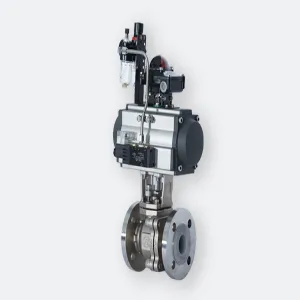
High Performance PFA Pneumatic Valve for Industrial Pipeline Systems
Category: PTFE fittings and valvesBrowse number: 193Number:Release time: 2026-06-08 14:54:38High performance PFA pneumatic valves are essential for industrial pipeline systems requiring automated, safe, and precise flow control of corrosive and high-purity chemicals. Designed with advanced fluoropolymer materials, these valves offer excellent resistance to acids, alkalis, and aggressive media while ensuring long service life and stable operation. With fast pneumatic actuation, they support efficient automation in semiconductor manufacturing, chemical processing, pharmaceutical production, and electronic chemical systems. Their low contamination design, strong sealing performance, and high reliability make them ideal for demanding industrial environments where safety and process stability are critical.
News
Category:
-
[industry news]Where can I buy reliable PTFE equipment?
2026-08-11 03:24:56
Case
Category:
No search results found!
Video
Category:
No search results found!
Download
Category:
No search results found!
Job
Category:
No search results found!
Featured Products
No search results found!



 WhatsApp
 Phone
Phone