
PFA valves for high purity chemical processing systems: A Complete Guide from a Fluoropolymer Valve Manufacturer
When customers ask me how to safely control aggressive chemicals in ultra-clean production environments, my answer is often straightforward:
Choose the right PFA valves.
In industries such as semiconductors, pharmaceuticals, electronic chemicals, and specialty chemicals, even a small amount of corrosion or contamination can lead to product defects, equipment damage, and costly downtime.
Over the years, I have worked closely with engineers and plant operators who need valve solutions capable of handling highly corrosive media while maintaining exceptional purity standards. This is exactly where PFA valves for high purity chemical processing systems demonstrate their value.
In this article, I will share practical insights based on manufacturing experience, covering how PFA valves work, their advantages, application scenarios, selection criteria, and maintenance tips.
What Are PFA Valves?
Why PFA Material Is Ideal for High-Purity Systems
Types of PFA Valves and Their Functions
Industrial Applications of PFA Valves
PFA Valves vs Other Valve Materials
How to Choose the Right PFA Valve
Installation and Maintenance Best Practices
Frequently Asked Questions
PFA valves are flow-control devices manufactured entirely from PFA (Perfluoroalkoxy Alkane) or designed with PFA-lined wetted parts.
Their primary purpose is to regulate, isolate, or direct fluid flow while maintaining chemical purity and corrosion resistance.
I often explain them to customers in simple terms:
A PFA valve is a highly corrosion-resistant valve designed to keep aggressive chemicals moving safely through a piping system without contaminating the process.
Key characteristics include:
Exceptional chemical resistance
High purity construction
Smooth internal surfaces
Excellent temperature resistance
Low particle generation
Because of these advantages, PFA valves have become essential components in advanced chemical processing systems.
PFA belongs to the fluoropolymer family and combines many of the advantages of PTFE with improved processability and transparency.
Its molecular structure provides remarkable resistance to chemical attack.
PFA can withstand exposure to:
Sulfuric acid
Hydrochloric acid
Nitric acid
Hydrofluoric acid
Caustic solutions
Organic solvents
PFA maintains excellent performance at temperatures approaching 260°C.
Its non-stick surface minimizes:
Particle accumulation
Product contamination
Cleaning difficulties
| Property | PFA | PTFE | PVDF |
|---|---|---|---|
| Maximum Service Temperature | 260°C | 260°C | 150°C |
| Transparency | High | Low | Medium |
| Weldability | Excellent | Limited | Good |
| Chemical Resistance | Excellent | Excellent | Very Good |
Source: ASTM Fluoropolymer Material Standards and Industrial Plastics Engineering Handbook, 2024.
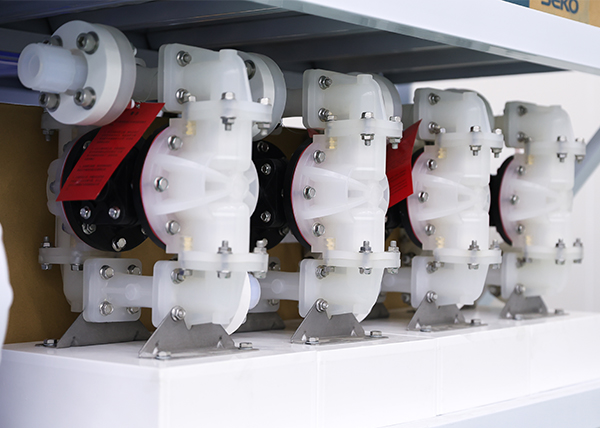
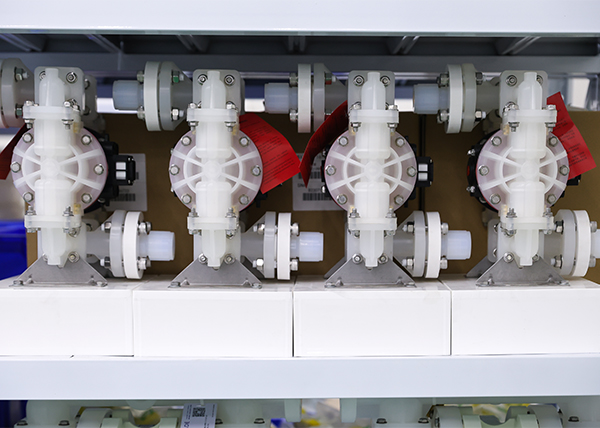
Different systems require different valve designs.
Used for:
On/off service
Chemical transfer systems
High-purity fluid handling
Advantages:
Fast operation
Excellent sealing
Low pressure drop
Used in:
Semiconductor facilities
Pharmaceutical plants
Advantages:
Ultra-clean operation
Low contamination risk
Used to prevent reverse flow.
Advantages:
Automatic operation
Improved system protection
Designed for precise flow regulation.
Applications:
Laboratory systems
Chemical dosing processes
Each valve type serves a specific purpose, and selecting the correct design significantly improves process reliability.
Throughout my career, I have seen PFA valves used in some of the most demanding industrial environments.
Semiconductor production requires extremely clean chemical delivery systems.
Typical applications include:
Wet etching
Chemical distribution
High-purity reagent transport
Used for:
Purified water systems
Process chemical handling
Sterile production environments
PFA valves are commonly installed in systems handling:
Acids
Alkalis
Corrosive solvents
Used for:
High-purity chemical transfer
Specialty chemical manufacturing
Selected applications use PFA valves where cleanliness and chemical resistance are critical.
One customer operating an electronic chemical facility reported significantly reduced maintenance requirements after replacing conventional plastic valves with high-purity PFA valves.
Choosing the right valve material directly affects equipment life and operating costs.
| Material | Corrosion Resistance | Purity Level | Temperature Resistance | Typical Applications |
|---|---|---|---|---|
| PFA | Excellent | Very High | Excellent | Semiconductor and chemicals |
| PTFE | Excellent | High | Excellent | Chemical processing |
| PVDF | Very Good | High | Good | Water treatment |
| Stainless Steel | Moderate | Medium | Excellent | General industry |
Source: Industrial Valve Materials Selection Guide, 2024.
From my experience, PFA valves offer one of the best combinations of chemical resistance, cleanliness, and long-term reliability.
Many buyers focus only on valve size.
However, successful valve selection involves several additional factors.
Always evaluate:
Chemical composition
Concentration
Process conditions
Although PFA performs well at elevated temperatures, system conditions must be reviewed carefully.
Pressure ratings vary depending on:
Valve design
Connection type
Pipe dimensions
High-purity semiconductor applications often require specially cleaned and packaged valves.
Choose between:
Manual operation
Pneumatic actuation
Electric actuation
| Valve Type | Automation Capability | Speed | Typical Application |
|---|---|---|---|
| Manual | No | Moderate | General operation |
| Pneumatic | Yes | Fast | Process automation |
| Electric | Yes | Precise | Smart manufacturing |
Source: Industrial Automation Systems Handbook, 2024.
Even the highest-quality PFA valves require proper installation.
Verify flow direction before installation.
Ensure proper pipe alignment.
Avoid excessive mechanical stress.
Follow recommended torque specifications.
I recommend:
Regular leak inspections
Periodic actuator testing
Seal condition monitoring
Scheduled preventive maintenance
Over-tightening fittings
Incorrect valve sizing
Improper chemical compatibility evaluation
Ignoring thermal expansion
Proper installation often determines whether a valve lasts five years or fifteen years.
PFA valves are primarily used for controlling highly corrosive and high-purity fluids in chemical, pharmaceutical, semiconductor, and electronic chemical industries.
Yes. PFA provides excellent resistance to most strong acids, alkalis, and solvents.
Most PFA valves can operate at temperatures up to approximately 260°C, depending on design and operating conditions.
Absolutely. They are widely used in semiconductor wet process and chemical delivery systems.
Both offer excellent chemical resistance, but PFA provides better transparency, weldability, and manufacturing flexibility.
From my experience in fluoropolymer equipment manufacturing, PFA valves for high purity chemical processing systems are among the most reliable solutions available for handling aggressive chemicals while maintaining product purity.
Their outstanding corrosion resistance, excellent sealing performance, high-temperature capability, and low contamination characteristics make them indispensable in modern industrial facilities.
At Jiangsu JIECHUANG New Materials Co., Ltd., we continue to develop advanced fluoropolymer piping systems, valves, storage equipment, and turnkey engineering solutions to support the evolving needs of semiconductor, pharmaceutical, electronic chemical, and specialty chemical industries worldwide.
Address: No. 1 Jingpohu Road, Suqian-Suzhou Industrial Park, Suqian City, Jiangsu Province
Xu Hao: 13813955525
Xu Gang: 15189058237
E-mail: zhaojiguang@jsjcxcl.com.cn


Copyright © 2023 Jiangsu Jiechuang New Materials Co., Ltd sitemap
This website uses cookies to ensure you get the best experience on our website.

 Pусский
 日本語
日本語 한국어
한국어 हिन्दी



 WhatsApp
 Phone
Phone