
PTFE lined ball valve for Corrosive Chemical and Industrial Systems: The Complete Buyer’s Guide from a Fluoropolymer Equipment Manufacturer
When customers contact me about chemical piping systems, they often ask a simple question:
"Which valve can reliably control aggressive chemicals without corrosion, leakage, or frequent maintenance?"
In many cases, my answer is a PTFE lined ball valve.
After years of designing and manufacturing fluoropolymer equipment for chemical processing, semiconductor production, and electronic chemical industries, I have learned that valve failure is one of the most common causes of system downtime. Even a small leak can lead to production interruptions, safety risks, and expensive repairs.
A PTFE lined ball valve combines the mechanical strength of metal with the exceptional corrosion resistance of polytetrafluoroethylene (PTFE), making it one of the most trusted solutions for handling highly corrosive media.
In this guide, I will explain what a PTFE lined ball valve is, how it works, where it is used, and how to choose the right valve for your application.
What Is a PTFE Lined Ball Valve?
Why PTFE Is the Preferred Lining Material
Main Types of Ball Valves
Industrial Applications and Real-World Uses
PTFE Lined Ball Valve vs Other Valve Materials
How to Select the Right PTFE Lined Ball Valve
Installation and Maintenance Best Practices
Frequently Asked Questions
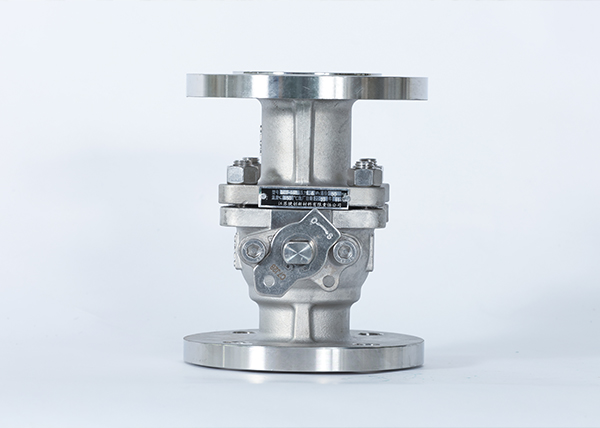
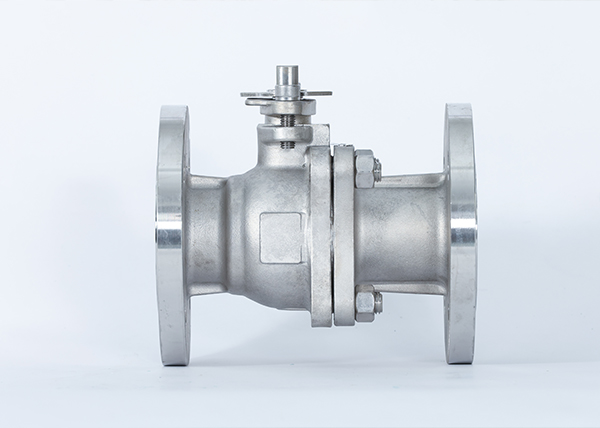
A PTFE lined ball valve is a quarter-turn valve designed to control fluid flow through a rotating ball with a central bore.
The valve body is typically made from carbon steel, stainless steel, or ductile iron, while the internal surfaces that contact the fluid are lined with PTFE.
This design combines:
High mechanical strength
Excellent sealing performance
Outstanding corrosion resistance
Long service life
I often describe it to customers this way:
A PTFE lined ball valve gives you the strength of metal on the outside and the chemical resistance of PTFE on the inside.
The result is a valve capable of handling highly aggressive chemicals while maintaining reliable shutoff performance.
PTFE has earned a reputation as one of the most chemically resistant materials available.
Its molecular structure creates a nearly inert surface that resists attack from most industrial chemicals.
Resistant to strong acids
Resistant to strong alkalis
Resistant to solvents
Non-stick surface
Excellent sealing characteristics
High temperature resistance
| Property | PTFE | PVDF | PVC |
|---|---|---|---|
| Maximum Service Temperature | 260°C | 150°C | 60°C |
| Chemical Resistance | Excellent | Very Good | Moderate |
| Surface Friction | Very Low | Medium | Medium |
| Service Life in Corrosive Media | Excellent | Good | Limited |
Source: ASTM Fluoropolymer Material Standards and Industrial Plastics Performance Guide, 2023.
In highly corrosive environments, PTFE consistently outperforms many alternative materials.
Over the years, I have supplied several types of ball valves for different operating conditions.
The ball is not fixed and moves slightly under pressure.
Advantages:
Excellent sealing performance
Compact structure
Cost-effective
Applications:
Chemical transfer systems
General industrial processes
The ball is fixed at both ends.
Advantages:
Suitable for large diameters
Lower operating torque
High-pressure performance
Applications:
Petrochemical facilities
Large industrial pipelines
Allows flow diversion or mixing.
Advantages:
Multiple flow paths
Reduced piping complexity
Applications:
Chemical dosing systems
Process control systems
The PTFE lined ball valve is widely used across industries where corrosion resistance is critical.
Common media include:
Sulfuric acid
Hydrochloric acid
Nitric acid
Sodium hydroxide
The PTFE lining protects valve internals from chemical attack.
In semiconductor manufacturing, purity is everything.
PTFE lined valves are used for:
Chemical delivery systems
Wet etching processes
High-purity fluid handling
Applications include:
Chemical transfer
Process water systems
Cleaning solutions
Used in:
Wastewater treatment
Acid neutralization processes
One customer in a chemical plant replaced conventional stainless steel valves with PTFE lined ball valves and significantly reduced maintenance frequency over the following years.
Selecting the correct valve material is essential.
| Valve Type | Corrosion Resistance | Temperature Resistance | Cost | Typical Application |
|---|---|---|---|---|
| PTFE Lined Ball Valve | Excellent | High | Medium-High | Corrosive chemicals |
| Stainless Steel Ball Valve | Moderate | High | Medium | General industrial fluids |
| PVC Ball Valve | Good | Low | Low | Water treatment |
| PVDF Ball Valve | Very Good | Medium | Medium | Moderate chemical service |
Source: Industrial Valve Selection Handbook, 2024.
From my experience, PTFE lined ball valves offer the best balance of chemical resistance and long-term reliability.
Many buyers focus only on valve size.
In reality, several factors should be considered.
Identify:
Acid concentration
Solvent composition
Process media
Not all chemicals behave the same way.
PTFE performs well at elevated temperatures, but temperature affects seals and supporting components.
Higher pressure systems may require reinforced valve designs.
Consider:
Flow rate
Pressure drop
Shutoff frequency
Common options include:
Advantages:
Simple operation
Low maintenance
Advantages:
Fast response
Remote operation
Advantages:
Precise control
Automation integration
| Type | Operation Speed | Automation | Cost |
|---|---|---|---|
| Manual | Medium | No | Low |
| Pneumatic | Fast | Yes | Medium |
| Electric | Medium | Yes | High |
Source: Industrial Automation Valve Guide, 2024.
Even the best PTFE lined ball valve can fail if installed incorrectly.
Verify flow direction
Ensure proper flange alignment
Use correct bolt torque
Avoid excessive pipe stress
I always recommend:
Regular seal inspection
Periodic operational testing
Cleaning deposits when necessary
Monitoring valve torque
Over-tightening flange bolts
Misaligned piping
Incorrect actuator sizing
Ignoring thermal expansion
Most valve issues I encounter are installation-related rather than manufacturing defects.
It is used to control highly corrosive fluids in chemical, pharmaceutical, semiconductor, and industrial systems.
Yes. They are commonly used with sulfuric acid, hydrochloric acid, nitric acid, and many other aggressive chemicals.
PTFE typically performs up to approximately 260°C under appropriate operating conditions.
Yes. They are widely used in chemical delivery systems where corrosion resistance and cleanliness are important.
A PTFE lined valve provides significantly better protection against corrosive chemicals while maintaining the structural strength of a metal valve body.
Based on my experience in fluoropolymer equipment manufacturing, the PTFE lined ball valve remains one of the most reliable solutions for corrosive chemical handling.
Its combination of chemical resistance, sealing performance, durability, and operational flexibility makes it ideal for demanding industrial environments.
At Jiangsu JIECHUANG New Materials Co., Ltd., we continue to develop advanced fluoropolymer equipment, PTFE-lined piping systems, valves, and turnkey chemical process solutions for customers in semiconductor, pharmaceutical, electronic chemical, and industrial sectors worldwide.
 RELATED
Address: No. 1 Jingpohu Road, Suqian-Suzhou Industrial Park, Suqian City, Jiangsu Province
Xu Hao: 13813955525
Xu Gang: 15189058237
E-mail: zhaojiguang@jsjcxcl.com.cn


Copyright © 2023 Jiangsu Jiechuang New Materials Co., Ltd sitemap
This website uses cookies to ensure you get the best experience on our website.

 Pусский
 日本語
日本語 한국어
한국어 हिन्दी



 WhatsApp
 Phone
Phone