
PFA check valve for high purity chemical transfer applications: A Complete Guide for Safe and Reliable Flow Control
Have you ever experienced a chemical transfer system failure caused by unexpected backflow?
In many industrial environments, especially semiconductor manufacturing, pharmaceutical production, and electronic chemical processing, even a small amount of reverse flow can contaminate valuable products, damage expensive equipment, and disrupt production.
Over the years, I have worked with customers who handle highly corrosive and high-purity chemicals daily. One component that consistently proves essential in protecting these systems is the PFA check valve.
A properly selected PFA check valve for high purity chemical transfer applications prevents backflow, protects pumps and process equipment, and helps maintain fluid purity. While it may appear to be a simple valve, its role in maintaining system integrity is extremely important.
In this guide, I will explain how PFA check valves work, where they are used, how they compare with other valve materials, and what factors buyers should consider before making a purchasing decision.
What Is a PFA Check Valve?
Why PFA Material Is Ideal for High-Purity Systems
How a PFA Check Valve Works
Industrial Applications and Real-World Examples
PFA Check Valve vs Other Valve Materials
How to Choose the Right PFA Check Valve
Installation and Maintenance Best Practices
Frequently Asked Questions
A PFA check valve is a one-way valve designed to allow fluid flow in only one direction while automatically preventing reverse flow.
Unlike manually operated valves, check valves operate automatically based on system pressure.
When fluid moves in the intended direction, the valve opens.
When flow stops or reverses, the valve closes immediately, preventing backflow.
The primary functions include:
Preventing reverse flow
Protecting pumps and equipment
Maintaining product purity
Improving system reliability
Reducing contamination risks
I often tell customers:
A check valve is like a one-way security gate for your chemical process system.
Without it, reverse flow can create serious operational and safety issues.
The effectiveness of a check valve depends not only on its design but also on the materials used.
PFA (Perfluoroalkoxy Alkane) is one of the most advanced fluoropolymer materials available today.
PFA performs exceptionally well when exposed to:
Sulfuric acid
Hydrochloric acid
Nitric acid
Hydrofluoric acid
Caustic chemicals
Organic solvents
PFA produces very low particle contamination, making it ideal for:
Semiconductor manufacturing
Electronic chemical production
Pharmaceutical systems
PFA maintains stability under demanding operating temperatures.
Its non-stick surface reduces:
Chemical residue buildup
Particle generation
Cleaning requirements
| Property | PFA | PTFE | PVDF |
|---|---|---|---|
| Maximum Service Temperature | 260°C | 260°C | 150°C |
| Purity Level | Very High | High | High |
| Transparency | Excellent | Limited | Moderate |
| Chemical Resistance | Excellent | Excellent | Very Good |
Source: ASTM Fluoropolymer Material Standards and Industrial Plastics Engineering Handbook, 2024.
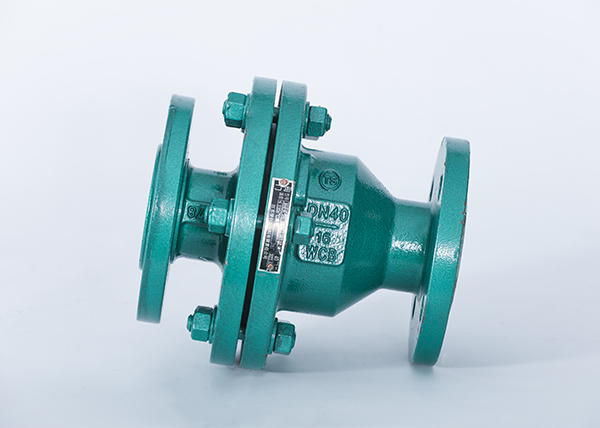
The purpose of a check valve is simple: allow forward flow and stop reverse flow.
Several designs are commonly used in industrial systems.
A spring holds the valve closed.
When forward pressure exceeds the spring force:
Valve opens
Fluid flows freely
When pressure drops:
Valve automatically closes
Advantages:
Fast response
Reliable sealing
Suitable for vertical installations
Uses a ball that moves with fluid pressure.
Advantages:
Simple construction
Low maintenance
Long service life
Uses a flexible diaphragm to control flow.
Advantages:
High purity performance
Minimal particle generation
Each design is selected according to process requirements.
Throughout my experience in fluoropolymer equipment manufacturing, I have seen PFA check valves used in many critical systems.
Applications include:
Chemical supply systems
Wet process equipment
Ultra-pure chemical distribution
Even tiny amounts of contamination can affect semiconductor yield.
Used for:
High-purity acid transfer
Specialty chemical transport
Process chemical storage systems
Installed in:
Purified water systems
Chemical dosing systems
Production fluid transfer lines
Used for handling:
Corrosive acids
Alkalis
Solvents
One of the most common applications is preventing reverse flow after pump shutdown.
Without a check valve, reverse flow can damage pumps and shorten equipment life.
Material selection has a direct impact on performance and maintenance costs.
| Material | Corrosion Resistance | Purity Level | Temperature Resistance | Typical Applications |
|---|---|---|---|---|
| PFA | Excellent | Very High | Excellent | Semiconductor and chemical systems |
| PTFE | Excellent | High | Excellent | Chemical processing |
| PVDF | Very Good | High | Good | Water treatment |
| Stainless Steel | Moderate | Medium | Excellent | General industrial service |
Source: Industrial Valve Materials Selection Guide, 2024.
For ultra-clean and highly corrosive applications, PFA is often the preferred choice.
Many buyers focus only on valve size.
However, successful selection requires evaluating multiple factors.
Review:
Chemical composition
Concentration
Process conditions
Always verify compatibility before installation.
Higher temperatures may influence:
Seal materials
Valve design
Pressure ratings
Consider:
Working pressure
Surge pressure
Pump discharge pressure
Semiconductor and electronic chemical applications often require:
High-purity manufacturing
Cleanroom packaging
Specialized testing
Evaluate:
Flow rate
Pressure drop
Opening pressure requirements
Before purchasing, I recommend confirming:
✓ Chemical compatibility
✓ Temperature range
✓ Pressure rating
✓ Installation orientation
✓ Purity requirements
✓ Connection type
Even the best PFA check valve can fail if installed improperly.
Confirm flow direction markings.
Install according to manufacturer guidelines.
Avoid pipe misalignment.
Prevent excessive mechanical stress.
Regular inspections should include:
Leak testing
Visual inspections
Pressure performance checks
Connection verification
Installing the valve backward
Selecting the wrong cracking pressure
Ignoring system pressure fluctuations
Using incompatible sealing materials
Most field failures I encounter are related to installation errors rather than valve quality.
A PFA check valve prevents reverse flow in high-purity and corrosive chemical transfer systems.
PFA offers exceptional chemical resistance, high purity, and excellent temperature stability.
Yes. They are commonly used with sulfuric acid, hydrochloric acid, nitric acid, and many other aggressive chemicals.
They are widely used in semiconductor manufacturing, pharmaceutical production, electronic chemicals, and chemical processing industries.
Service life depends on operating conditions, but properly selected and maintained valves can provide many years of reliable operation.
From my experience designing fluoropolymer piping systems and chemical processing equipment, the PFA check valve for high purity chemical transfer applications is one of the most important components for maintaining safe and reliable flow control.
Its ability to prevent backflow, protect equipment, maintain fluid purity, and resist highly corrosive chemicals makes it indispensable in modern industrial facilities.
At Jiangsu JIECHUANG New Materials Co., Ltd., we continue to provide advanced fluoropolymer valves, piping systems, storage equipment, and turnkey engineering solutions for customers in semiconductor, pharmaceutical, electronic chemical, and specialty chemical industries worldwide.
Address: No. 1 Jingpohu Road, Suqian-Suzhou Industrial Park, Suqian City, Jiangsu Province
Xu Hao: 13813955525
Xu Gang: 15189058237
E-mail: zhaojiguang@jsjcxcl.com.cn


Copyright © 2023 Jiangsu Jiechuang New Materials Co., Ltd sitemap
This website uses cookies to ensure you get the best experience on our website.

 Pусский
 日本語
日本語 한국어
한국어 हिन्दी



 WhatsApp
 Phone
Phone