
Corrosion Resistant PTFE lined discharge valve for Industrial Pipelines
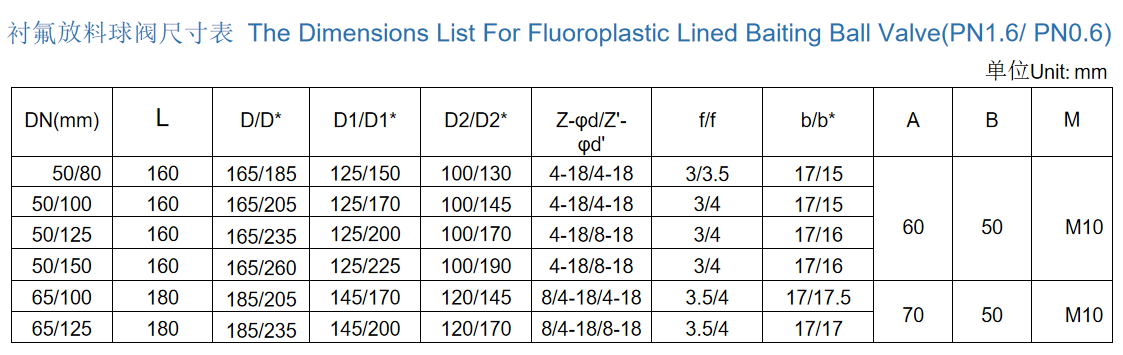
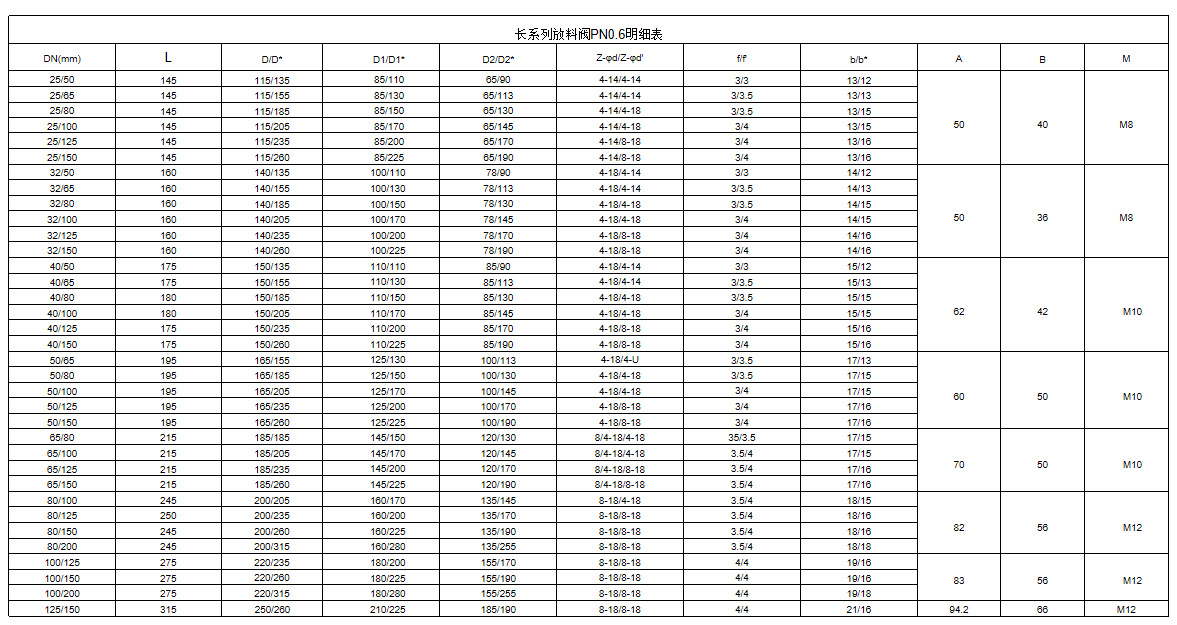
When I first started working with fluoropolymer-lined pipeline systems, one of the most common failure points I saw was not the pipe itself—but the discharge valve. In corrosive chemical industries, a small leak or corrosion spot can quickly turn into a shutdown, safety risk, or even product contamination.
That’s why I focus so much on the Corrosion Resistant PTFE Lined Discharge Valve for Industrial Pipelines. It is not just another valve—it is a critical control point for safe and stable chemical transfer.
In this article, I will walk through how I understand this valve from real engineering practice, how it performs in harsh environments, and how to choose the right configuration for your system.
What is a PTFE Lined Discharge Valve?
Why PTFE Lining Matters in Corrosive Systems
Technical Structure and Material Design
Industrial Applications and Real Use Cases
Comparison with Other Valve Types
How to Select the Right Discharge Valve
Installation and Maintenance Tips
FAQ
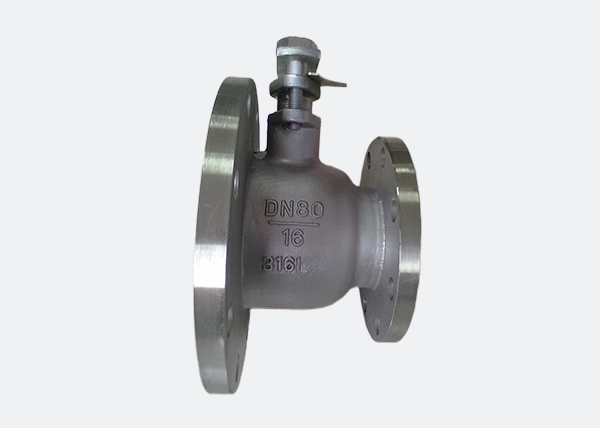
A Corrosion Resistant PTFE Lined Discharge Valve for Industrial Pipelines is designed to control the release of liquids from tanks, reactors, or pipeline systems, especially where aggressive chemicals are involved.
In simple terms, it is the “bottom outlet control point” of a system.
From my experience in fluoropolymer equipment engineering, this valve is commonly installed in:
Storage tanks
Reactor discharge ports
Chemical transfer pipelines
The key advantage is its PTFE lining, which isolates metal parts from direct chemical contact.
PTFE (polytetrafluoroethylene) is widely used because it behaves almost like a “chemical shield”.
Strong resistance to acids and alkalis
Very low friction surface (less sticking or clogging)
Stable performance under temperature fluctuation
Long service life in aggressive media
In real plant environments, this lining often determines whether a valve lasts 1 year or 10 years.
A typical Corrosion Resistant PTFE Lined Discharge Valve for Industrial Pipelines includes:
Valve body (carbon steel or stainless steel)
PTFE lining layer
Valve plug or disc
Sealing system
Actuation system (manual, pneumatic, or electric)
| Parameter | Specification Range | Source |
|---|---|---|
| Design Standard | GB12237-89 | Industrial valve standard |
| Temperature Range | -20°C to 180°C | Manufacturer technical spec |
| Pressure Rating | 0.6–2.5 MPa | HG/T standards |
| Lining Materials | PTFE / PFA / FEP | Fluoropolymer industry data |
This structure ensures both mechanical strength and chemical isolation.
In my field experience, I have seen this valve used in:
Wet electronic chemical systems
Semiconductor cleaning lines
Acid and alkali transfer stations
Pharmaceutical reaction discharge
Wastewater neutralization systems
One real case involved a chemical plant replacing rubber-lined valves with PTFE-lined discharge valves. The result was a dramatic reduction in leakage incidents within six months.
To help engineers make better decisions, here is a practical comparison:
| Valve Type | Corrosion Resistance | Lifespan | Maintenance | Typical Use |
|---|---|---|---|---|
| PTFE Lined Discharge Valve | Excellent | 8–15 years | Low | Strong acids/alkalis |
| Rubber Lined Valve | Medium | 3–5 years | Medium | Mild chemicals |
| Stainless Steel Valve | Medium | 5–8 years | Medium | General fluids |
(Source: internal engineering evaluation based on industrial application data)
From my perspective, PTFE lining clearly leads in chemical durability and long-term cost efficiency.
When I guide clients, I always focus on five key factors:
Chemical type (acid, alkali, solvent)
Temperature range
System pressure
Flow requirement
Actuation type (manual or automated)
A common mistake is choosing based only on price. In reality, mismatch between chemical media and lining material leads to early failure.
Even a high-quality valve can fail if installed incorrectly.
Always check flange alignment before tightening
Avoid over-torque on PTFE-lined connections
Inspect sealing surfaces regularly
Do not expose valve to dry start conditions
Flush system before first operation
Maintenance is usually minimal, but inspection every 3–6 months is ideal in harsh environments.
They are suitable for strong acids, alkalis, and most corrosive industrial fluids.
Yes, typically up to 180°C depending on design.
No, maintenance is relatively simple compared to metal-only valves.
Improper installation or mismatch with chemical media.
From my engineering experience, the Corrosion Resistant PTFE Lined Discharge Valve for Industrial Pipelines is not just a component—it is a safety and stability guarantee for the entire chemical system.
When properly selected and installed, it significantly reduces downtime, improves process safety, and extends system lifespan in even the harshest industrial environments.
 RELATED
Address: No. 1 Jingpohu Road, Suqian-Suzhou Industrial Park, Suqian City, Jiangsu Province
Xu Hao: 13813955525
Xu Gang: 15189058237
E-mail: zhaojiguang@jsjcxcl.com.cn


Copyright © 2023 Jiangsu Jiechuang New Materials Co., Ltd sitemap
This website uses cookies to ensure you get the best experience on our website.

 Pусский
 日本語
日本語 한국어
한국어 हिन्दी



 WhatsApp
 Phone
Phone