
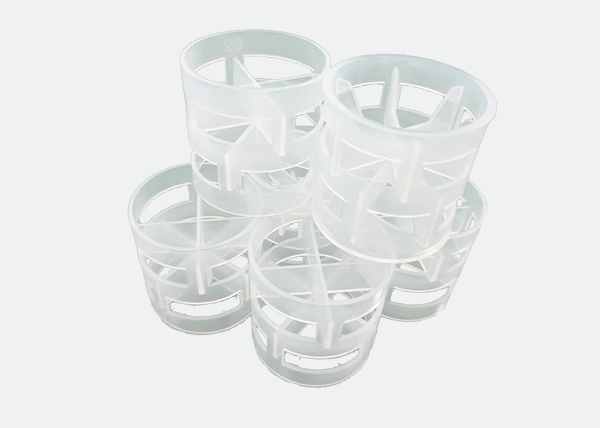
PTFE equipment is widely used across industries that require exceptional chemical resistance, low friction, high temperature stability, electrical insulation, and contamination-free processing. PTFE, also known as polytetrafluoroethylene, is a high-performance fluoropolymer that performs reliably in aggressive environments where many conventional materials fail.
If you are asking which industries make use of PTFE equipment, the answer is broad: chemical processing, pharmaceuticals, food and beverage, electronics, semiconductor manufacturing, oil and gas, water treatment, aerospace, laboratory research, and more. This makes PTFE one of the most versatile materials for industrial equipment, piping components, seals, gaskets, valves, liners, tubing, containers, and custom fabricated parts.
This article provides a clear, SEO-friendly overview of PTFE equipment, including its definition, major advantages, common product forms, industry applications, technical specifications, and a practical summary table for easy reference. The content is designed for blog pages, industry pages, directory pages, and HTML content sections.
PTFE equipment refers to industrial tools, components, and system parts made fully or partially from PTFE material. These products are used in environments where resistance to corrosive chemicals, high temperatures, and contamination is critical. PTFE equipment is not limited to one product type. It can include:
Because PTFE is chemically inert in most conditions, it is used in equipment that must handle acids, bases, solvents, gases, and other aggressive substances. It is also highly valued for its non-stick surface, low coefficient of friction, and excellent dielectric properties.
Industries use PTFE equipment for several important reasons. The most common include performance stability, long service life, reduced maintenance, and process purity. In demanding industrial settings, material failure can lead to contamination, downtime, safety risks, and expensive repairs. PTFE helps reduce these issues.
| Advantage | Benefit in Industrial Use |
|---|---|
| Excellent chemical resistance | Handles corrosive acids, alkalis, solvents, and reactive media |
| High temperature resistance | Performs in elevated heat without significant degradation |
| Low friction | Reduces wear, sticking, and energy loss in moving parts |
| Non-stick surface | Prevents buildup and improves cleanability |
| Electrical insulation | Suitable for electrical and electronic applications |
| Low contamination risk | Supports clean and pure processing environments |
| Weather and moisture resistance | Useful in harsh outdoor and humid conditions |
| Long service life | Reduces replacement frequency and maintenance costs |
PTFE equipment is used in many sectors because it can solve material compatibility problems that appear in corrosive, high-purity, or high-temperature processes. Below is a detailed industry-by-industry breakdown.
The chemical processing industry is one of the largest users of PTFE equipment. This industry often handles strong acids, bases, oxidizing agents, organic solvents, and reactive compounds. Many of these chemicals can quickly damage metal, rubber, or standard plastic components. PTFE equipment offers outstanding resistance to chemical attack, making it ideal for demanding process conditions.
Common PTFE Products in chemical processing include lined pipes, valves, pumps components, gaskets, seals, reactors parts, and tubing. PTFE is especially valuable in transfer systems where chemical purity and corrosion resistance must be maintained.
| Common Chemical Processing Uses | PTFE Equipment Examples |
|---|---|
| Acid transfer | PTFE-lined hoses, pipes, and fittings |
| Solvent handling | PTFE tubing and seals |
| Corrosive fluid control | PTFE valve seats and diaphragms |
| Reaction vessel protection | PTFE liners and gaskets |
| Sampling systems | PTFE tubing and connectors |
The pharmaceutical industry depends heavily on clean, contamination-free, and chemically stable materials. PTFE equipment is used in drug manufacturing, formulation, laboratory operations, sterile processing, and fluid transport systems. Because PTFE is non-reactive and easy to clean, it helps maintain strict process purity standards.
PTFE equipment in pharma applications includes tubing for purified fluids, seals for reactors and pumps, gaskets for process lines, and container liners. It is also used where aggressive cleaning agents or sterilization steps are part of regular operations.
In pharmaceutical manufacturing, PTFE supports:
The food and beverage industry uses PTFE equipment because of its non-stick characteristics, resistance to cleaning agents, and suitability for hygienic processing. PTFE is often selected for applications involving food contact, steam, heat, and frequent washdowns. It is commonly used in filling systems, transfer lines, sealing components, and processing machinery.
Food and beverage plants value PTFE because it helps reduce residue buildup and simplifies cleaning. This is especially important in systems that process dairy, sauces, syrups, oils, beverages, and high-fat or sticky food materials.
| Food and Beverage Application | PTFE Equipment Use |
|---|---|
| Liquid transfer | PTFE tubing and hoses |
| Filling systems | PTFE seals and gaskets |
| Sticky product handling | PTFE coated or lined components |
| Cleaning-in-place support | PTFE valves and fittings |
| Steam and heat exposure | PTFE insulation and sealing parts |
The semiconductor industry requires very high purity materials with extremely low contamination potential. PTFE equipment is used because it does not easily react with process chemicals and helps minimize particle generation in sensitive environments. Semiconductor fabrication often involves aggressive etching agents, cleaning solvents, ultrapure water, and chemical delivery systems.
PTFE equipment in this industry includes chemical transport tubing, valve components, wafer processing parts, fluid handling lines, and storage containers. The low extractables and low contamination characteristics of PTFE make it highly suitable for cleanroom and microelectronics environments.
Key reasons PTFE is used in semiconductor production:
The electronics industry uses PTFE equipment for insulation, cable protection, and component assembly. PTFE has excellent dielectric properties, which means it resists electrical flow and helps protect sensitive circuits and wiring. It is often used in wire insulation, connectors, spacers, and protective parts.
In electronics manufacturing, PTFE equipment is chosen for applications where heat resistance and electrical insulation are both important. Its low friction also makes it useful in components that require smooth assembly or movement.
| Electronics Application | PTFE Equipment Benefit |
|---|---|
| Wire insulation | Strong dielectric performance |
| Cable protection | Heat and abrasion resistance |
| Connectors and spacers | Electrical isolation and stability |
| High-frequency equipment | Low dielectric loss |
| Assembly support parts | Non-stick and low-friction behavior |
The oil and gas industry uses PTFE equipment in upstream, midstream, and downstream operations. Equipment in this sector often faces aggressive chemicals, high pressure, temperature variations, and outdoor exposure. PTFE is used in seals, valve parts, lined piping, hoses, and instrumentation components where reliability matters.
PTFE equipment helps reduce corrosion-related failure in systems that process hydrocarbons, drilling fluids, refinery chemicals, and gas treatment substances. It is also useful in control systems and auxiliary equipment exposed to harsh operating conditions.
Main oil and gas applications include:
The water treatment industry uses PTFE equipment for chemical dosing, filtration support, fluid handling, and corrosion-prone environments. Water treatment plants often work with chlorine, ozone, acids, coagulants, and other treatment chemicals that can degrade standard materials. PTFE provides the chemical resistance needed for stable operation.
PTFE components are used in pumps, valves, tubing, membrane systems, and chemical feed lines. The material is especially valuable in systems that must maintain consistency over long operating periods with reduced maintenance.
| Water Treatment Area | PTFE Equipment Use |
|---|---|
| Chemical dosing | PTFE tubing and valves |
| Corrosive fluid handling | PTFE seals and hoses |
| Filtration systems | PTFE membranes and liners |
| Pump protection | PTFE diaphragms and gaskets |
| Wastewater treatment | PTFE-lined components |
The aerospace industry uses PTFE equipment because of its lightweight nature, thermal stability, low friction, and electrical insulation properties. PTFE is commonly found in aircraft wiring insulation, seals, gaskets, bearings, and fluid transfer components. Aerospace systems require materials that perform reliably under temperature changes, vibration, and demanding environmental exposure.
PTFE equipment helps support safe and stable operation in aircraft and related systems. It is often used in fuel systems, hydraulic systems, and electrical assemblies where performance consistency is critical.
Typical aerospace PTFE applications include:
The medical and healthcare industry uses PTFE equipment in devices, fluid transfer systems, implants, and laboratory equipment. PTFE is valued because it is biocompatible in many applications, chemically stable, and capable of maintaining cleanliness. It is often used in medical tubing, catheter components, seals, and surgical equipment parts.
PTFE equipment in healthcare settings helps support sterile handling, low friction movement, and compatibility with disinfectants and sterilization methods. While specific medical usage depends on regulatory requirements, PTFE remains a common choice for high-performance healthcare applications.
Laboratories and research facilities use PTFE equipment for experiments, analytical systems, sample transport, and chemical handling. Because PTFE is resistant to many laboratory reagents, it is often used in glassware accessories, stir bars, tubing, closures, bottles, and custom experimental setups.
The laboratory environment benefits from PTFE’s non-reactive nature, especially when handling strong chemicals or sensitive samples. PTFE also reduces the risk of cross-contamination between tests and improves repeatability in analytical work.
The automotive industry uses PTFE equipment in fuel systems, transmission components, seals, gaskets, and wiring applications. PTFE’s low friction and chemical resistance make it useful in automotive parts that must withstand heat, vibration, and contact with oils, fuels, and lubricants.
PTFE is particularly beneficial in performance-sensitive components where durability and reduced wear are important. It is also used in manufacturing operations where chemical handling or special coatings are required.
The power generation industry uses PTFE equipment in thermal, nuclear, and renewable energy systems. It is used for insulation, seals, gaskets, chemical handling, and protective linings. PTFE helps improve reliability in systems exposed to heat, moisture, vibration, and corrosive fluids.
In power plants, PTFE can be found in pumping systems, electrical assemblies, maintenance components, and chemical treatment processes. Its durability helps support long service life and lower maintenance frequency.
PTFE equipment appears in many different product categories. The table below summarizes common PTFE forms and where they are usually applied.
| PTFE Equipment Category | Typical Industrial Use |
|---|---|
| PTFE tubing | Fluid transfer, chemical transport, laboratory lines |
| PTFE-lined piping | Corrosive media handling in chemical and oil & gas industries |
| PTFE gaskets | Sealing in flanges, reactors, pumps, and process equipment |
| PTFE seals | Leak prevention in valves, pumps, and rotating systems |
| PTFE valve components | Flow control in harsh chemical environments |
| PTFE membranes | Filtration, venting, and clean air or gas applications |
| PTFE bushings | Low-friction mechanical support |
| PTFE containers and liners | Storage and containment of aggressive substances |
| PTFE cable insulation | Electrical and electronic applications |
| Custom PTFE parts | Specialized industrial assemblies and equipment systems |
Understanding PTFE material properties helps explain why so many industries rely on PTFE equipment. Its performance characteristics make it suitable for harsh operating conditions and sensitive production environments.
| Material Property | Industrial Relevance |
|---|---|
| Chemical inertness | Resists attack from many corrosive chemicals |
| Thermal stability | Performs in high-temperature environments |
| Low coefficient of friction | Supports smooth movement and reduced wear |
| Excellent dielectric strength | Suitable for insulating electrical systems |
| Non-stick surface | Limits buildup and simplifies cleaning |
| Moisture resistance | Useful in wet, humid, and outdoor environments |
| Low permeability | Helps in fluid and gas control applications |
| Long-term durability | Reduces replacement and downtime costs |
PTFE equipment is available in many different grades, sizes, and fabrication formats. Specifications vary based on application, industry requirements, and operating conditions. The table below provides a general overview of common PTFE equipment specifications.
| Specification | Typical Range / Description |
|---|---|
| Material | Polytetrafluoroethylene (PTFE) |
| Temperature resistance | Commonly used from about -200°C to +260°C depending on application |
| Chemical resistance | Resistant to most acids, bases, solvents, and corrosive media |
| Electrical properties | High dielectric strength, excellent insulation |
| Surface characteristic | Non-stick, low-friction, smooth surface |
| Color | Usually white, off-white, or translucent depending on format |
| Common forms | Sheets, rods, tubes, liners, molded parts, machined parts |
| Maintenance requirement | Low to moderate depending on process severity |
| Service life | Long, especially in chemically aggressive environments |
| Primary function | Sealing, insulation, corrosion resistance, fluid transfer, contamination control |
PTFE equipment contributes to better operational performance in several ways. Industries use it not only because it survives harsh conditions, but because it helps improve process efficiency and product consistency.
Although PTFE equipment offers many advantages, it is also important to understand its limitations. Choosing the right material depends on the exact operating conditions.
| Limitation | What It Means in Practice |
|---|---|
| Mechanical softness | PTFE is softer than many metals and may require support in load-bearing parts |
| Creep under load | Can deform slowly over time under continuous pressure |
| Limited structural strength | Not ideal as a standalone structural material for heavy mechanical loads |
| Cost considerations | Often more expensive than standard plastics or rubbers |
| Processing complexity | May require specialized fabrication methods for custom parts |
For this reason, PTFE is often used in combination with other materials, especially in lined systems, reinforced seals, or supported assemblies.
When businesses search for which industries make use of PTFE equipment, they often also want to know which products are most common. These are some of the most frequently used PTFE equipment types in industrial systems:
| Industry | Main Reason for Using PTFE Equipment | Common PTFE Product Types |
|---|---|---|
| Chemical processing | Corrosion and solvent resistance | Linings, pipes, seals, tubing |
| Pharmaceuticals | Purity and contamination control | Tubing, gaskets, seals, liners |
| Food and beverage | Hygiene and non-stick performance | Seals, hoses, liners, fittings |
| Semiconductors | High purity and chemical resistance | Tubing, valves, containers |
| Electronics | Electrical insulation | Wire insulation, spacers, connectors |
| Oil and gas | Harsh chemical and pressure environments | Seals, linings, hoses, valve parts |
| Water treatment | Chemical feed and corrosion resistance | Tubing, diaphragms, valves |
| Aerospace | Low friction and thermal stability | Wire insulation, gaskets, seals |
| Medical and healthcare | Sterility and biocompatibility support | Tubing, seals, device parts |
| Laboratory and research | Chemical inertness and clean handling | Closures, tubing, accessories |
| Automotive | Heat, fuel, and lubricant resistance | Seals, bushings, cable parts |
| Power generation | Durability in heat and chemical exposure | Seals, insulation, gaskets |
So, which industries make use of PTFE equipment? The answer is nearly every industrial sector that needs chemical resistance, cleanliness, heat tolerance, electrical insulation, or low-friction performance. PTFE equipment is especially common in chemical processing, pharmaceuticals, food and beverage production, semiconductor manufacturing, electronics, oil and gas, water treatment, aerospace, medical applications, laboratory research, automotive systems, and power generation.
Because PTFE offers a rare combination of non-stick performance, durability, and resistance to aggressive media, it remains one of the most widely used high-performance materials in industrial equipment design. Whether the application involves sealing, lining, insulation, fluid transfer, or contamination prevention, PTFE equipment provides dependable support across a broad range of industries.
If you are building an industry page, product category page, or blog article for search engine visibility, this topic naturally supports strong SEO because the keyword PTFE equipment connects to many commercial and technical search intents. Clear structure, tabular data, and industry-specific sections help improve readability and ranking potential.
Address: No. 1 Jingpohu Road, Suqian-Suzhou Industrial Park, Suqian City, Jiangsu Province
Xu Hao: 13813955525
Xu Gang: 15189058237
E-mail: zhaojiguang@jsjcxcl.com.cn


Copyright © 2023 Jiangsu Jiechuang New Materials Co., Ltd sitemap
This website uses cookies to ensure you get the best experience on our website.

 Pусский
 日本語
日本語 한국어
한국어 हिन्दी



 WhatsApp
 Phone
Phone
Comment
(0)