
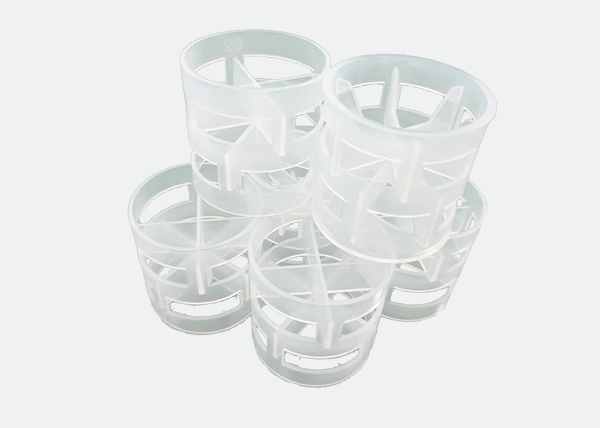
When procuring PTFE equipment, buyers should evaluate far more than just the initial purchase price.
PTFE, also known as Polytetrafluoroethylene, is valued across chemical processing, pharmaceuticals, food production, semiconductor manufacturing, water treatment, and laboratory applications because of its exceptional chemical resistance, low friction, non-stick surface, and wide service temperature range. However, not all PTFE Products are equal. The procurement process should focus on material grade, manufacturing method, dimensional accuracy, service conditions, mechanical performance, compliance requirements, and long-term cost of ownership.
For SEO purposes and practical decision-making, this guide provides a comprehensive overview of PTFE equipment procurement, including definition, advantages, selection criteria, technical specifications, inspection points, and common application considerations. The information below is designed for use in blog content, category pages, industry pages, and technical buying guides.
PTFE equipment refers to industrial components, parts, and assemblies manufactured from PTFE material or PTFE-lined structures. These products are used where resistance to aggressive chemicals, heat, contamination, wear, and sticking is required. Common PTFE equipment includes:
In procurement terms, PTFE equipment may be sold as raw material shapes, semi-finished parts, or finished industrial assemblies. The correct procurement strategy depends on the intended application, temperature range, pressure load, media exposure, and regulatory requirements.
PTFE equipment is widely selected because it offers a rare combination of performance characteristics. In many demanding environments, PTFE outperforms conventional plastics, elastomers, and even some metals in terms of chemical resistance and anti-stick performance.
| Key Property | Benefit in Industrial Use |
|---|---|
| Chemical resistance | Suitable for acids, alkalis, solvents, and aggressive process media |
| Wide temperature range | Performs in both low-temperature and high-temperature environments |
| Low friction coefficient | Reduces wear, sticking, and energy loss in moving parts |
| Non-stick surface | Minimizes buildup, contamination, and residue retention |
| Electrical insulation | Useful in electrical and electronic applications |
| Moisture resistance | Stable in humid or wet environments |
| Low contamination risk | Supports clean processing and hygienic production |
Because of these characteristics, PTFE procurement is common in industries where performance failures can result in contamination, downtime, corrosion damage, safety issues, or product loss.
When sourcing PTFE equipment, the most important focus should be on matching the product specification to the actual operating environment. The following sections explain the main procurement points in detail.
The first step in PTFE equipment procurement is defining the application clearly. PTFE is highly versatile, but a gasket, valve seat, pipe lining, and bearing all have different performance requirements. The purchaser should identify:
Clear application definition reduces the risk of selecting the wrong PTFE grade or equipment structure. It also helps buyers compare suppliers using the same technical basis.
One of the most important procurement points is PTFE material grade. Not all PTFE products are identical. Different grades may vary in density, purity, mechanical strength, creep resistance, and filler content. In procurement, buyers should decide whether they need virgin PTFE, modified PTFE, or filled PTFE.
| PTFE Type | Main Characteristics | Typical Procurement Use |
|---|---|---|
| Virgin PTFE | Highest chemical purity, excellent chemical resistance, excellent non-stick properties | Food, pharmaceutical, semiconductor, laboratory, and general chemical service |
| Modified PTFE | Improved processing or performance characteristics compared with standard PTFE | Seals, membranes, and precision components |
| Filled PTFE | Contains fillers such as glass, carbon, graphite, bronze, or minerals for improved wear or strength | Bearings, bushings, valve parts, sliding surfaces, and high-load applications |
Virgin PTFE is usually preferred where purity and chemical resistance are the primary concerns. Filled PTFE is often chosen where wear resistance, dimensional stability, or mechanical strength is more important. Procurement teams should confirm the filler type and percentage, because fillers can influence friction, conductivity, abrasion resistance, and chemical compatibility.
PTFE is known for excellent chemical resistance, but procurement should never rely on general assumptions alone. Different process media may create different performance conditions. The buyer should check compatibility with all chemicals, including cleaning agents, solvents, acids, bases, oils, and process additives.
Important considerations include:
Even though PTFE has one of the broadest chemical resistance profiles among polymers, procurement should be based on actual process data rather than generic product claims.
Temperature is a critical factor in PTFE equipment procurement. PTFE performs across a broad service range, but mechanical behavior can change at elevated temperatures or under thermal cycling. Buyers should verify:
| Temperature Factor | Procurement Consideration |
|---|---|
| Continuous operation | Select PTFE grade suitable for long-term heat exposure |
| Peak temperature | Confirm short-duration tolerance during sterilization or process spikes |
| Low temperature | Check whether flexibility or sealing performance is maintained |
| Thermal cycling | Assess dimensional stability and fatigue behavior over repeated cycles |
PTFE is generally suitable for demanding temperature environments, but high heat can increase creep, soften support structures, or affect sealing force. For this reason, temperature evaluation should always be linked with mechanical load and pressure conditions.
PTFE is not always the best choice for high-pressure structural loads without support. Although it offers outstanding chemical resistance and low friction, it is softer than many engineering plastics and metals. Procurement should focus on:
For seals, gaskets, and linings, excessive pressure can cause deformation or loss of sealing force if the design is not suitable. For sliding parts, high load can increase wear if the wrong PTFE formulation is selected. Therefore, mechanical load analysis is essential in PTFE equipment procurement.
Dimensional precision is a major factor, especially when PTFE equipment must fit tightly into assemblies, process equipment, or sealing systems. Procurement teams should specify:
PTFE can be machined accurately, but its thermal expansion and soft nature mean dimensional control must be carefully managed. For high-precision applications, the buyer should request inspection standards and dimensional reports.
PTFE equipment may be produced using different manufacturing methods, and the method affects performance, consistency, and cost. Common methods include molding, skiving, machining, extrusion, and lining fabrication.
| Manufacturing Method | Typical Product Type | Procurement Focus |
|---|---|---|
| Molding | Sheets, blocks, formed parts | Density, uniformity, internal voids, material consistency |
| Machining | Custom parts, seals, bushings | Tolerance, finish, repeatability |
| Extrusion | Tubes, rods, profiles | Wall thickness control, concentricity, straightness |
| Skiving | Thin PTFE films and tapes | Thickness consistency, surface quality |
| Lining fabrication | PTFE-lined vessels, pipes, valves | Bond quality, coverage, leak resistance |
Buyers should select the process that best supports the intended performance. For example, a PTFE-lined chemical pipe requires different inspection criteria than a machined PTFE gasket.
Surface finish affects sealing, friction, contamination risk, and ease of cleaning. In industries such as pharmaceuticals, food processing, and semiconductor manufacturing, surface cleanliness is especially important. Procurement should define:
PTFE’s non-stick properties make it attractive for hygienic and anti-fouling applications, but poor manufacturing or handling can still compromise cleanliness. Buyers should require clean packaging and clear inspection criteria.
Depending on the application, PTFE equipment may need to comply with food-contact, pharmaceutical, electrical, environmental, or pressure-related standards. Procurement should identify all required certifications and documentation before placing an order.
| Possible Compliance Area | Why It Matters |
|---|---|
| Food contact | Supports safety and hygiene in food processing equipment |
| Pharmaceutical use | May require purity, traceability, and documentation |
| Electrical insulation | Confirms suitability for insulation and dielectric use |
| Pressure equipment | Important for PTFE-lined pipes, vessels, and components |
| Environmental compliance | Supports safe material usage and disposal practices |
Buyers should request certificates of conformity, test reports, material declarations, and traceability documents where required.
A common procurement decision is whether to buy solid PTFE equipment or PTFE-lined equipment. The right choice depends on application severity, cost, and structural requirements.
| Option | Main Advantage | Typical Limitation |
|---|---|---|
| Solid PTFE equipment | Excellent chemical resistance and high purity | Lower mechanical strength than metal |
| PTFE-lined equipment | Combines PTFE corrosion resistance with metal structural support | Requires proper lining quality and installation control |
Solid PTFE is often used for smaller parts, seals, and precision components, while PTFE-lined structures are better suited to large industrial equipment that needs both corrosion resistance and mechanical strength.
PTFE can experience creep, also known as cold flow, under long-term load. This is a key procurement point for gaskets, seals, and structural parts. If load is too high or design support is insufficient, the material may deform over time.
Buyers should consider:
In many applications, filled PTFE is chosen to improve creep resistance and reduce deformation. This is especially important in static sealing applications.
PTFE is known for its low friction, but wear performance varies widely depending on load, speed, counterface material, and filler content. Procurement teams should ask:
For bearings and bushings, filled PTFE often provides better wear resistance than virgin PTFE. For sealing and anti-stick applications, virgin PTFE may still be preferred.
In regulated industries, PTFE equipment procurement should include traceability and material documentation. This is especially important for pharmaceutical, medical, food-grade, and semiconductor applications. Common documents include:
Traceability supports quality control, auditing, and product recall management. It also reduces risk when multiple production batches are used in one facility.
Procurement should not focus only on the product itself. It should also consider installation ease, maintenance frequency, replacement intervals, and spare part availability. Questions to ask include:
PTFE equipment with better maintenance accessibility can reduce downtime and lower lifetime operating cost.
In PTFE equipment procurement, the lowest price is not always the best value. Buyers should calculate the total cost of ownership, including:
A higher-quality PTFE component may cost more initially but deliver lower lifetime cost through longer service life, fewer shutdowns, and better reliability.
When requesting quotations or technical proposals for PTFE equipment, buyers should use a specification checklist. This makes comparison easier and reduces misunderstandings.
| Specification Item | Description |
|---|---|
| Material type | Virgin PTFE, modified PTFE, or filled PTFE |
| Dimensions | Length, width, thickness, diameter, or custom size |
| Tolerance | Acceptable variation in dimensions |
| Temperature range | Continuous and peak operating temperature |
| Pressure rating | Maximum working pressure, if applicable |
| Chemical exposure | Process media and cleaning agents |
| Surface finish | Roughness or polishing requirement |
| Compliance | Food grade, pharmaceutical, electrical, or other standards |
| Packaging | Clean packaging, anti-dust protection, export packing |
| Inspection criteria | Dimensional check, visual inspection, test report |
Choosing the right PTFE equipment delivers measurable industrial benefits. These benefits often justify the procurement effort and technical evaluation required.
| Advantage | Business Impact |
|---|---|
| Corrosion resistance | Reduces damage from aggressive chemicals and extends equipment life |
| Non-stick performance | Improves process cleanliness and reduces residue buildup |
| Low friction | Enhances movement efficiency and reduces wear |
| Thermal stability | Supports use in challenging temperature conditions |
| Contamination control | Protects product quality in clean and regulated industries |
| Long service life | Improves maintenance planning and lowers replacement frequency |
PTFE equipment is used across many industries. Understanding these applications helps procurement teams select the correct product form.
The following checklist summarizes the most important purchasing points for PTFE equipment procurement.
| Checklist Item | Buyer Action |
|---|---|
| Application definition | Clearly identify use case, media, temperature, and pressure |
| Material grade | Select virgin, modified, or filled PTFE based on needs |
| Chemical compatibility | Verify resistance against all process chemicals |
| Mechanical load | Check pressure, compression, wear, and deformation risk |
| Dimensional accuracy | Define tolerances and inspection standards |
| Compliance | Confirm required standards and certificates |
| Surface quality | Specify finish and cleanliness requirements |
| Packaging and traceability | Request batch records and protective packaging |
| Total cost of ownership | Evaluate long-term cost, not just purchase price |
PTFE offers excellent chemical resistance, but buyers should always verify compatibility against the exact chemical, concentration, temperature, and exposure time.
Virgin PTFE provides the highest purity and excellent chemical resistance. Filled PTFE includes additives that improve wear resistance, creep resistance, or mechanical strength.
PTFE can deform under long-term load. Creep resistance is critical for sealing performance, dimensional stability, and service life.
No. Procurement should consider quality, compliance, service life, performance, and total cost of ownership.
When procuring PTFE equipment, the key focus should always be on application fit, material grade, chemical compatibility, temperature performance, mechanical load, dimensional precision, compliance, and long-term value. PTFE is a highly capable material, but its benefits are only fully realized when the correct product form and specification are selected for the exact service condition.
A well-structured PTFE equipment procurement process helps reduce corrosion risk, improve process reliability, support clean operations, and extend equipment life. Whether sourcing PTFE sheets, PTFE-lined components, PTFE seals, or custom-machined PTFE parts, buyers should use technical data and clear inspection criteria to make informed purchasing decisions.
```
Address: No. 1 Jingpohu Road, Suqian-Suzhou Industrial Park, Suqian City, Jiangsu Province
Xu Hao: 13813955525
Xu Gang: 15189058237
E-mail: zhaojiguang@jsjcxcl.com.cn


Copyright © 2023 Jiangsu Jiechuang New Materials Co., Ltd sitemap
This website uses cookies to ensure you get the best experience on our website.

 Pусский
 日本語
日本語 한국어
한국어 हिन्दी



 WhatsApp
 Phone
Phone
Comment
(0)