
PTFE-Lined Equipment Maintenance Tips for Maximum Performance
Have you ever wondered why some PTFE-lined equipment operates reliably for more than a decade while similar systems experience premature failures, leaks, or costly shutdowns?
After years of manufacturing and servicing PTFE-lined equipment for chemical processing, semiconductor chemicals, wet electronic chemicals, and specialty gas industries, I have learned that the difference is rarely the PTFE itself. In most cases, maintenance practices determine whether equipment reaches its full service life.
PTFE-lined equipment is valued worldwide for its exceptional corrosion resistance, chemical inertness, and long-term durability. However, even the most advanced PTFE-lined storage tanks, reactors, pipes, valves, and columns require proper inspection and maintenance to deliver maximum performance.
In this guide, I will share practical maintenance strategies, common mistakes to avoid, inspection schedules, and proven techniques that help industrial facilities reduce downtime, improve safety, and extend equipment life.
On This Page
Why PTFE-Lined Equipment Requires Special Maintenance
Common Causes of PTFE Lining Damage
Routine Inspection Checklist
Preventive Maintenance Best Practices
Comparing Maintenance Approaches
How to Maximize Equipment Service Life
Choosing the Right Maintenance Partner
Frequently Asked Questions
PTFE (Polytetrafluoroethylene) is one of the most chemically resistant materials available. It withstands aggressive acids, alkalis, solvents, and high-purity chemicals that would rapidly corrode ordinary metals.
Despite these advantages, PTFE linings are not completely maintenance-free.
In my experience, most failures occur because operators assume PTFE Equipment can be ignored after installation.
Common PTFE-lined equipment includes:
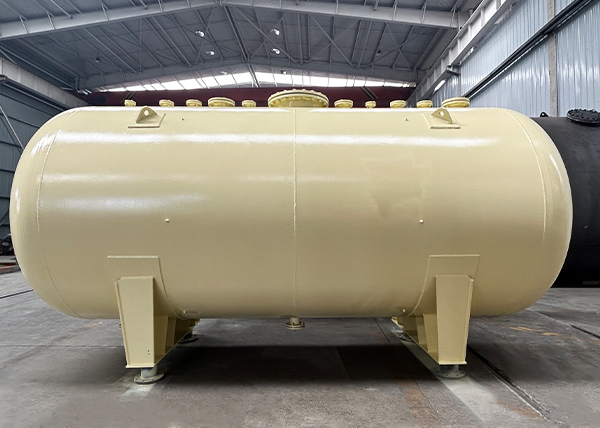
PTFE-lined storage tanks
PTFE-lined columns
PTFE-lined heat exchangers
PTFE-lined piping systems
PTFE-lined fittings
These systems often operate under challenging conditions involving:
High temperatures
Pressure fluctuations
Vacuum conditions
Abrasive particles
Frequent thermal cycling
Corrosive media
Regular maintenance helps detect small problems before they become expensive failures.
Understanding failure mechanisms is the first step toward prevention.
Rapid heating or cooling creates stress between the steel shell and PTFE lining.
Example:
A chemical plant suddenly introduces cold process fluid into a reactor that has been operating at elevated temperature. Repeated thermal cycling can weaken the bond and eventually cause lining deformation.
PTFE resists chemicals exceptionally well but can be damaged by physical abuse.
Typical examples include:
Dropped tools
Improper cleaning equipment
Excessive bolt tightening
Internal agitator contact
PTFE-lined vessels designed for positive pressure may deform if subjected to unexpected vacuum conditions.
Although PTFE offers excellent chemical resistance, continuous exposure to abrasive slurries can gradually wear the lining.
Poor flange alignment and uneven gasket compression often create stress points that shorten equipment life.
| Failure Cause | Relative Frequency | Typical Consequence |
|---|---|---|
| Thermal Shock | High | Cracking, deformation |
| Mechanical Damage | High | Surface defects |
| Vacuum Conditions | Medium | Lining collapse |
| Abrasion | Medium | Thickness reduction |
| Installation Errors | High | Leakage |
| Chemical Attack Beyond Design Limits | Low | Material degradation |
Source: Industry maintenance observations from fluoropolymer-lined equipment manufacturers and chemical processing maintenance guidelines.
One of the most effective maintenance practices I recommend is implementing a structured inspection schedule.
Operators should check:
Visible leaks
Pressure abnormalities
Temperature deviations
Valve operation
Unusual noises
Inspect:
Flange connections
Pipe supports
Expansion joints
Instrument connections
Evaluate:
Surface condition
PTFE lining integrity
Bolt torque consistency
Corrosion on external steel surfaces
Perform a comprehensive shutdown inspection:
Internal visual examination
Spark testing (where applicable)
Thickness measurement
Structural assessment
Documentation review
| Inspection Item | Daily | Weekly | Monthly | Annually |
|---|---|---|---|---|
| Leak Check | ✓ | |||
| Pressure Monitoring | ✓ | |||
| Flange Inspection | ✓ | |||
| Pipe Support Check | ✓ | |||
| Lining Condition Review | ✓ | |||
| Thickness Testing | ✓ | |||
| Full Internal Inspection | ✓ |
Source: Best practices commonly adopted in chemical processing facilities and PTFE-Lined Equipment Maintenance programs.
Preventive maintenance is significantly less expensive than emergency repairs.
I always advise customers to avoid sudden temperature transitions.
Best practices include:
Gradual heating
Controlled cooling
Process startup procedures
Thermal monitoring systems
Train maintenance personnel to:
Avoid metal scraping tools
Use non-abrasive cleaning equipment
Follow proper entry procedures
Over-tightening can distort PTFE-lined flanges.
Use:
Calibrated torque wrenches
Cross-pattern tightening sequences
Manufacturer torque recommendations
Install:
Vacuum breakers
Pressure monitoring devices
Emergency protection systems
Track:
Inspection reports
Repair history
Operating temperatures
Pressure cycles
Process changes
Plants with detailed maintenance records often identify trends before failures occur.
Not all maintenance strategies produce the same results.
| Factor | Reactive Maintenance | Preventive Maintenance |
|---|---|---|
| Downtime | High | Low |
| Repair Cost | High | Lower |
| Safety Risk | Higher | Lower |
| Equipment Life | Shorter | Longer |
| Production Stability | Variable | Consistent |
| Emergency Repairs | Frequent | Rare |
Source: General industrial asset management studies and maintenance cost analyses across chemical processing facilities.
From my experience, preventive maintenance typically reduces unexpected downtime by a significant margin while extending PTFE-lined equipment service life.
Many buyers ask me how long PTFE-lined equipment should last.
The answer depends heavily on operating conditions and maintenance quality.
Never exceed:
Design temperature
Design pressure
Vacuum ratings
Chemical compatibility limits
Operator awareness is often the most overlooked factor.
Employees should understand:
Startup procedures
Shutdown procedures
Emergency response
Inspection methods
Even experienced plant personnel may miss early warning signs.
Periodic expert inspections can identify:
Hidden lining defects
Stress concentrations
Wear patterns
Process-related risks
As facilities expand, operating conditions often change.
Equipment originally designed for one process may require modification to support new production requirements.
When selecting a PTFE-lined equipment supplier or maintenance provider, I recommend evaluating more than price.
Look for a partner with:
PTFE engineering expertise
Manufacturing capability
Repair services
Quality inspection systems
Semiconductor chemical industry experience
Turnkey project capabilities
At Jiangsu Jiexin New Material Co., Ltd., we combine PTFE equipment manufacturing, process system development, engineering design, and turnkey project capabilities. This allows us to provide customers with both equipment and long-term technical support throughout the entire lifecycle of their PTFE-lined systems.
For industries such as electronic chemicals, semiconductor manufacturing, photovoltaic production, and specialty gas systems, professional maintenance support can significantly improve operational reliability and equipment longevity.
Daily visual checks are recommended, while comprehensive internal inspections are typically performed annually or during planned shutdowns.
Yes. Minor defects can often be repaired by qualified specialists. Severe damage may require partial relining or complete replacement.
Mechanical damage and thermal shock are among the most common causes observed in industrial applications.
Yes. Avoid abrasive tools and aggressive mechanical cleaning methods that may scratch or deform the lining.
With proper operation and maintenance, many PTFE-lined tanks, pipes, valves, and reactors remain in service for 10–20 years or longer.
PTFE-lined equipment is a valuable investment for industries handling highly corrosive chemicals. However, achieving maximum performance requires more than selecting high-quality equipment. Proper inspections, preventive maintenance, operator training, and professional technical support all play critical roles in extending service life and reducing operational costs.
From my experience working with PTFE-lined storage tanks, reactors, piping systems, valves, and complete chemical process installations, facilities that prioritize maintenance consistently achieve higher reliability, lower downtime, and greater return on investment.
By following the maintenance strategies outlined in this guide, industrial operators can protect their PTFE-lined equipment, improve plant safety, and maximize long-term performance.
Address: No. 1 Jingpohu Road, Suqian-Suzhou Industrial Park, Suqian City, Jiangsu Province
Xu Hao: 13813955525
Xu Gang: 15189058237
E-mail: zhaojiguang@jsjcxcl.com.cn


Copyright © 2023 Jiangsu Jiechuang New Materials Co., Ltd sitemap
This website uses cookies to ensure you get the best experience on our website.

 Pусский
 日本語
日本語 한국어
한국어 हिन्दी



 WhatsApp
 Phone
Phone
Comment
(0)