
PTFE Equipment Manufacturers: A Complete Guide to Industrial Fluoropolymer Solutions
Have you ever faced equipment corro sion, frequent maintenance, or unexpected downtime in chemical processing environments?
If your facility handles strong acids, alkalis, ultra-pure chemicals, or corrosive gases, selecting the right equipment material can directly affect productivity, safety, and operating costs. This is why more manufacturers are turning to PTFE Equipment as a long-term solution.
As a professional PTFE equipment manufacturer, we have spent years helping customers in semiconductor, electronic chemicals, pharmaceuticals, fine chemicals, and specialty gas industries overcome corrosion challenges. Through practical engineering experience, we have seen how properly designed PTFE-Lined Equipment can significantly extend service life while reducing maintenance requirements.
In this guide, I will explain what PTFE equipment is, how it works, where it is used, how to choose a reliable supplier, and what factors buyers should consider before investing in fluoropolymer solutions.
What Is PTFE Equipment?
Why Industries Choose PTFE Equipment
Common Types of PTFE Equipment
PTFE vs Other Corrosion-Resistant Materials
How to Select a PTFE Equipment Manufacturer
Industrial Applications and Case Scenarios
About Jiangsu Jiexin New Material Co., Ltd.
Frequently Asked Questions
PTFE (Polytetrafluoroethylene), commonly known by the brand name Teflon®, is one of the most chemically resistant materials available today.
PTFE equipment refers to industrial systems that use PTFE as a lining, structural component, or sealing material to protect equipment from aggressive chemicals and extreme temperatures.
Common PTFE equipment includes:
PTFE-lined storage tanks
PTFE piping systems
PTFE valves and fittings
PTFE heat exchangers
PTFE evaporators
PTFE filtration equipment
The primary goal is simple: prevent corrosion while maintaining process purity and reliability.
Many customers ask us why PTFE equipment remains the preferred solution despite the availability of stainless steel, FRP, and plastic alternatives.
The answer lies in performance.
PTFE resists almost all industrial chemicals, including:
Sulfuric acid
Hydrochloric acid
Nitric acid
Hydrofluoric acid
Caustic soda
Organic solvents
PTFE can typically operate continuously up to approximately 260°C (500°F), making it suitable for demanding industrial environments.
The non-stick surface minimizes scaling, fouling, and residue buildup, simplifying cleaning procedures.
This is especially important in:
Semiconductor manufacturing
Electronic chemicals
Pharmaceutical production
High-purity chemical processing
Although initial investment may be higher, PTFE equipment often delivers lower total ownership costs over its operating life.
Used for storing corrosive chemicals safely while protecting steel structures from chemical attack.
Typical applications:
Acid storage
Chemical blending
Electronic chemical storage
These systems transport aggressive fluids throughout manufacturing facilities.
Benefits include:
Leak prevention
Corrosion resistance
Long service life
PTFE-Lined Valves provide excellent sealing performance and chemical compatibility.
Common valve types include:
Ball valves
Butterfly valves
Check valves
Globe valves
Used when conventional metal heat exchangers cannot withstand corrosive media.
Widely applied in:
Waste acid concentration
Chemical recovery
Electronic chemical processing
PTFE-lined scrubbers and treatment towers protect systems from corrosive exhaust streams generated during manufacturing processes.
Selecting the right material depends on operating conditions.
| Material | Chemical Resistance | Temperature Resistance | Purity Level | Expected Service Life |
|---|---|---|---|---|
| PTFE | Excellent | Excellent | Excellent | Very Long |
| Stainless Steel 316L | Moderate | Excellent | Good | Medium |
| FRP | Good | Moderate | Moderate | Medium |
| PVC | Moderate | Low | Good | Short to Medium |
| Polypropylene (PP) | Good | Moderate | Good | Medium |
Source: Material performance data compiled from ASTM fluoropolymer references and industrial chemical compatibility guides.
| Chemical | PTFE | Stainless Steel 316L | PVC |
|---|---|---|---|
| Sulfuric Acid | Excellent | Fair | Good |
| Hydrochloric Acid | Excellent | Poor | Good |
| Nitric Acid | Excellent | Good | Fair |
| Hydrofluoric Acid | Excellent | Poor | Poor |
| Sodium Hydroxide | Excellent | Good | Good |
Source: Chemical Compatibility Database and Fluoropolymer Industry Handbook.
PTFE consistently delivers superior performance in highly corrosive environments.
Choosing the right PTFE equipment manufacturer is just as important as selecting the equipment itself.
Look for manufacturers that can provide:
Process design
Engineering support
Custom fabrication
Installation guidance
A qualified supplier should have:
Modern production workshops
Quality control systems
Advanced fabrication equipment
Clean manufacturing environments
Manufacturers with experience in semiconductor and electronic chemical industries often maintain higher standards for precision and cleanliness.
Important certifications may include:
ISO quality systems
Pressure vessel qualifications
Engineering contracting licenses
Industry-specific certifications
Reliable suppliers continue supporting customers after delivery through:
Technical consultation
Maintenance recommendations
Spare parts support
Troubleshooting assistance
Ultra-high-purity chemicals require contamination-free processing systems.
PTFE equipment helps maintain strict purity requirements throughout production.
Electronic-grade acids and solvents can quickly damage conventional materials.
PTFE-lined systems provide long-term protection and product consistency.
Strong acids and alkalis are common in chemical production.
PTFE equipment minimizes downtime caused by corrosion failures.
Purity and cleanliness are critical.
PTFE surfaces reduce contamination risks and simplify cleaning procedures.
Waste gas treatment systems often contain highly corrosive exhaust streams.
PTFE-lined scrubbers and towers improve reliability while helping facilities meet environmental regulations.
| Industry | Equipment Type | Primary Benefit |
|---|---|---|
| Semiconductor | PTFE Piping Systems | High Purity |
| Electronic Chemicals | Storage Tanks | Corrosion Protection |
| Chemical Processing | Reactors & Heat Exchangers | Long Service Life |
| Pharmaceuticals | PTFE Vessels | Contamination Control |
| Environmental Engineering | Exhaust Gas Treatment Systems | Corrosion Resistance |
Source: Industry application practices collected from semiconductor, chemical, and environmental engineering projects.
At Jiangsu Jiexin New Material Co., Ltd., we specialize in the design, research, manufacturing, and application of PTFE equipment and process systems.
Established in 2019, our company operates:
30,000㎡ production workshop
3,500㎡ clean workshop
1,000㎡ research laboratory
More than 400 employees
Over 150 technical specialists
Our product portfolio includes:
PTFE-lined storage tanks
PTFE equipment
PTFE piping and valves
PTFE tube products
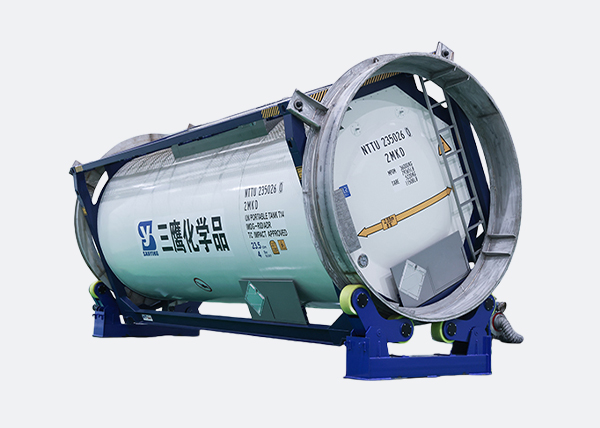
Steel-lined plastic transportation tanks
Exhaust gas treatment equipment
Semiconductor gas and chemical systems
Through years of industry development, we have built complete engineering capabilities covering process package development, equipment manufacturing, and turnkey project delivery.
Our solutions are widely used in:
Semiconductor manufacturing
Electronic chemicals
Electronic specialty gases
Display panel production
Photovoltaic industries
By combining advanced manufacturing technologies with practical engineering expertise, we help customers achieve safer, cleaner, and more reliable production operations.
PTFE equipment is widely used in semiconductor, electronic chemicals, pharmaceuticals, specialty gases, chemical processing, and environmental protection industries.
Depending on operating conditions, properly designed PTFE-lined equipment can provide service lives exceeding 10–20 years.
Yes. PTFE generally performs well in continuous operating temperatures up to approximately 260°C.
PTFE offers significantly better resistance to highly corrosive chemicals, especially strong acids and mixed chemical environments.
Evaluate engineering expertise, manufacturing facilities, certifications, project experience, quality control systems, and after-sales support capabilities.
When handling highly corrosive chemicals, selecting the right equipment is not simply a purchasing decision—it is a long-term investment in safety, reliability, and operational efficiency.
As experienced PTFE equipment manufacturers, we understand the challenges faced by modern chemical, semiconductor, and electronic materials industries. High-quality PTFE equipment can dramatically reduce corrosion risks, extend equipment life, improve product purity, and lower maintenance costs.
For companies seeking dependable industrial fluoropolymer solutions, partnering with an experienced manufacturer that offers engineering expertise, advanced production capabilities, and comprehensive technical support remains the most effective path toward long-term success.
Address: No. 1 Jingpohu Road, Suqian-Suzhou Industrial Park, Suqian City, Jiangsu Province
Xu Hao: 13813955525
Xu Gang: 15189058237
E-mail: zhaojiguang@jsjcxcl.com.cn


Copyright © 2023 Jiangsu Jiechuang New Materials Co., Ltd sitemap
This website uses cookies to ensure you get the best experience on our website.

 Pусский
 日本語
日本語 한국어
한국어 हिन्दी



 WhatsApp
 Phone
Phone
Comment
(0)