
How PTFE-Lined Transportation Tanks Prevent Corrosion: A Practical Engineering Guide for Industrial Logistics
Have you ever considered what happens inside a chemical transport tank during long-distance delivery of corrosive liquids?
In my experience working with chemical, electronic chemical, and semiconductor-related industries, transportation is often the most overlooked part of the entire process system. While many companies focus on production equipment, they underestimate how much damage can happen during storage and transport.
Corrosive chemicals such as acids, alkalis, and specialty solvents do not stop reacting just because they are in transit. If the tank material is not properly designed, corrosion, leakage, and contamination risks increase significantly.
This is where PTFE-lined transportation tanks play a critical role.
In this article, I will explain how PTFE-lined transportation tanks prevent corrosion, share real industrial applications, compare alternative materials, and provide practical selection and maintenance guidance based on real engineering experience.
On This Page
What Are PTFE-Lined Transportation Tanks?
Why Corrosion Is a Serious Risk in Chemical Transport
How PTFE Lining Prevents Corrosion
PTFE Tanks vs Traditional Transport Tank Materials
Real Industrial Transport Applications
How I Evaluate PTFE Transportation Tank Quality
Selection Guide for Buyers and Engineers
Frequently Asked Questions
PTFE-lined transportation tanks are specialized chemical transport containers where the inner surface is lined with polytetrafluoroethylene (PTFE) to resist corrosion and chemical attack.
In my engineering projects, these tanks are typically used for:
Acid transportation
Alkali solution transport
High-purity chemical delivery
Semiconductor chemical logistics
Specialty solvent distribution
The key purpose is simple: protect the metal shell while ensuring chemical purity during transport.
Many people think corrosion only happens in production plants, but transport environments are often more aggressive.
Temperature fluctuations
Long storage time in transit
Chemical concentration changes
Vibration and mechanical stress
Moisture and environmental exposure
If a tank is not properly protected, several risks may occur:
Internal corrosion
Structural weakening
Leakage incidents
Product contamination
Environmental hazards
PTFE acts as a protective barrier between corrosive chemicals and the steel tank body.
Chemically inert surface
No direct metal contact
High resistance to acids and alkalis
Stable performance under temperature variation
In practice, PTFE-lined transportation tanks create a “non-reactive shield” inside the tank.
A customer transporting hydrochloric acid previously experienced repeated tank corrosion issues. After switching to PTFE-lined tanks, corrosion-related failures were eliminated.
Material selection directly affects safety and operational cost.
| Material | PTFE-Lined Steel | Carbon Steel | Stainless Steel 316L | FRP Tank |
|---|---|---|---|---|
| Acid Resistance | Excellent | Poor | Medium | Good |
| Alkali Resistance | Excellent | Poor | Medium | Good |
| Solvent Resistance | Excellent | Medium | Medium | Medium |
| Leakage Risk | Low | High | Medium | Medium |
| Service Life | Long | Short | Medium | Medium |
Source: Industrial chemical transport safety studies and fluoropolymer equipment performance data.
PTFE-lined transportation tanks are widely used across multiple industries.
Strong acids are transported between production plants.
Result with PTFE tanks:
Stable chemical integrity
Reduced corrosion risk
Improved transport safety
Ultra-pure chemicals require contamination-free delivery.
PTFE tanks ensure:
No metal ion contamination
Stable purity levels
High reliability during transport
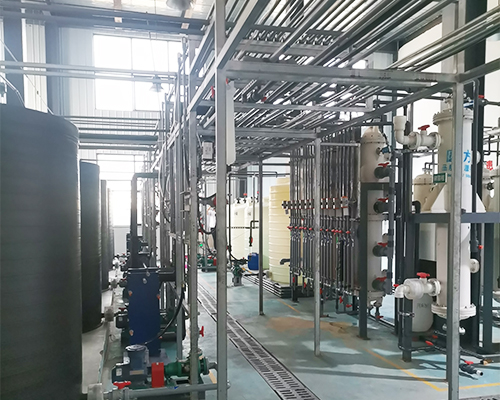
Aggressive cleaning agents often damage standard tanks.
PTFE-lined tanks provide:
Longer equipment lifespan
Reduced maintenance costs
Safer logistics operations
In real engineering assessments, I focus on practical performance instead of just specifications.
A consistent PTFE layer is critical for corrosion resistance.
Weak bonding can lead to delamination during transport vibration.
The external structure must handle pressure and road conditions.
I always confirm:
Acid resistance
Alkali resistance
Temperature tolerance
Key indicators include:
Welding quality
Lining process stability
Inspection standards
| Risk Factor | PTFE-Lined Tanks | Stainless Steel Tanks | Plastic Tanks |
|---|---|---|---|
| Corrosion Risk | Very Low | Medium | Low |
| Mechanical Strength | High | High | Low |
| Chemical Compatibility | Very High | Medium | High |
| Transport Safety | High | Medium | Medium |
| Long-Term Durability | High | Medium | Low |
Source: Industrial chemical logistics safety reports and material performance evaluations.
Choosing the right PTFE-lined transportation tank requires careful evaluation.
Understand:
Chemical type
Concentration
Temperature sensitivity
Consider:
Distance
Duration
Climate conditions
Road vibration levels
Options include:
Horizontal transport tanks
Vertical transport tanks
Customized modular systems
Important for:
Hazardous chemicals
High-purity media
Environmental regulations
From my field experience, operational details often determine safety outcomes.
Avoid overfilling tanks
Ensure proper sealing before transport
Inspect lining condition regularly
Control temperature exposure during transport
Train logistics personnel properly
These simple steps significantly reduce transport-related failures.
| Factor | PTFE-Lined Tanks | Conventional Tanks |
|---|---|---|
| Maintenance Frequency | Low | High |
| Corrosion Failure Rate | Very Low | High |
| Transport Safety Level | High | Medium |
| Operating Cost (Long Term) | Lower | Higher |
| Service Life | Long | Short |
Source: Chemical Logistics Equipment lifecycle studies and industrial maintenance records.
In modern chemical logistics, safety and stability are more important than ever.
PTFE-lined tanks are widely adopted because they provide:
Strong corrosion protection
Stable chemical compatibility
Reduced risk of leakage
Lower lifecycle cost
Improved transport safety
At Jiangsu Jiexin New Material Co., Ltd., I work with engineering teams that design and manufacture PTFE-lined transportation tanks for global industries.
Our capabilities include:
PTFE-lined chemical transport tanks
PTFE-lined storage systems
PTFE-Lined Reactors and pipelines
Waste gas treatment systems
Semiconductor chemical logistics solutions
Specialty gas transportation systems
With 30,000㎡ production capacity, clean workshops, and advanced engineering capability, we provide customized solutions for high-risk chemical transport applications worldwide.
They are suitable for acids, alkalis, solvents, and high-purity chemicals.
PTFE provides stronger corrosion resistance and lower contamination risk.
Yes, they are designed to handle vibration, temperature changes, and long transit times.
With proper maintenance, they can operate reliably for many years.
Yes, they can be designed based on chemical type, capacity, and transport requirements.
PTFE-lined transportation tanks play a critical role in preventing corrosion and ensuring safe chemical logistics. By isolating corrosive media from the metal structure, they significantly reduce leakage risk, improve transport safety, and extend equipment lifespan.
From my experience in fluoropolymer equipment engineering, companies that adopt PTFE-lined transport solutions achieve more stable supply chains, lower maintenance costs, and higher operational safety across chemical, semiconductor, and electronic chemical industries.
Address: No. 1 Jingpohu Road, Suqian-Suzhou Industrial Park, Suqian City, Jiangsu Province
Xu Hao: 13813955525
Xu Gang: 15189058237
E-mail: zhaojiguang@jsjcxcl.com.cn


Copyright © 2023 Jiangsu Jiechuang New Materials Co., Ltd sitemap
This website uses cookies to ensure you get the best experience on our website.

 Pусский
 日本語
日本語 한국어
한국어 हिन्दी



 WhatsApp
 Phone
Phone
Comment
(0)