
Transport Storage Tanks: The Complete Guide to Safe Chemical Transportation and Storage
Have you ever worried about chemical leakage, corrosion damage, or transportation risks when storing hazardous liquids?
As a manufacturer specializing in PTFE-Lined Equipment and steel-lined transport storage tanks, I frequently work with customers from the chemical, semiconductor, petrochemical, and environmental industries who face these challenges every day. Selecting the right transport storage tanks is not simply about holding materials—it is about ensuring safety, product quality, regulatory compliance, and long-term operational efficiency.
In my experience, steel-lined transport storage tanks have become one of the most reliable solutions for transporting and storing corrosive liquids and gases. Their excellent mechanical strength, corrosion resistance, and long service life make them suitable for demanding industrial environments.
In this guide, I will explain how transport storage tanks work, where they are used, how to select the right tank, and what maintenance practices can help maximize performance and safety.
On This Page
What Are Transport Storage Tanks?
Why Steel-Lined Transport Storage Tanks Are Widely Used
Key Benefits of Transport Storage Tanks
Common Industrial Applications
Transport Storage Tank Material Comparison
How I Choose the Right Transport Storage Tank
Safety and Maintenance Best Practices
Frequently Asked Questions
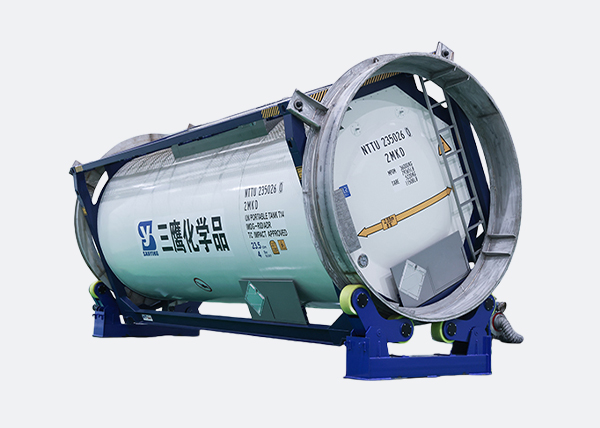
Transport storage tanks are specialized containers designed for the safe transportation and storage of liquids, gases, and chemical products. These tanks are commonly used in industries that handle hazardous, corrosive, flammable, or high-purity materials.
Steel-lined transport storage tanks combine the structural strength of carbon steel or stainless steel with a corrosion-resistant internal lining, such as PTFE or other fluoropolymer materials.
This combination provides:
Excellent mechanical strength
Superior corrosion resistance
Long service life
Safe transportation of hazardous materials
Reduced maintenance requirements
Transport storage tanks can be mounted on trucks, trailers, or used as stationary storage units depending on operational requirements.
Many industrial chemicals can quickly damage conventional metal tanks.
Acids, alkalis, oxidizing agents, and electronic chemicals often cause corrosion, contamination, and costly equipment failures.
I often recommend steel-lined transport storage tanks because they provide the best balance between strength and chemical resistance.
The steel shell delivers:
Structural stability
Impact resistance
Pressure resistance
The fluoropolymer lining provides:
Chemical compatibility
Product purity protection
Anti-corrosion performance
This dual-layer design allows the tank to safely transport materials that would otherwise damage ordinary steel containers.
The internal lining protects the steel structure from aggressive chemicals.
Common media include:
Sulfuric acid
Hydrochloric acid
Nitric acid
Hydrofluoric acid
Electronic chemicals
High-purity solvents
Unlike fully plastic tanks, steel-lined tanks can withstand:
Road vibration
Mechanical impacts
Pressure fluctuations
Heavy loads
This makes them ideal for long-distance transportation.
Corrosion is one of the leading causes of tank failure.
A properly designed steel-lined transport storage tank can significantly extend operational lifespan while reducing replacement costs.
Reliable containment reduces the risk of:
Product leakage
Environmental contamination
Workplace accidents
Regulatory violations
For semiconductor and electronic chemical industries, product contamination can be extremely costly.
PTFE-lined systems help maintain chemical purity throughout transportation and storage.
Chemical producers use transport storage tanks for:
Acid transportation
Alkali transportation
Solvent storage
Intermediate chemical transfer
High-purity chemicals require contamination-free transportation.
Common applications include:
Wet electronic chemicals
Specialty acids
Semiconductor process chemicals
Transport storage tanks are widely used for:
Process chemicals
Corrosive liquids
Specialty additives
Waste treatment facilities use lined tanks for:
Waste acid collection
Chemical neutralization
Hazardous liquid transportation
Certain specialized lined tanks are used where cleanliness and contamination control are critical.
Selecting the correct material is essential for long-term performance.
| Material | Corrosion Resistance | Strength | Temperature Resistance | Typical Applications |
|---|---|---|---|---|
| Carbon Steel | Low | Excellent | High | Non-corrosive liquids |
| Stainless Steel | Good | Excellent | High | Food and pharmaceuticals |
| Polyethylene (PE) | Moderate | Moderate | Low | Water and mild chemicals |
| PTFE-Lined Steel | Excellent | Excellent | Excellent | Strong acids and electronic chemicals |
Source: Material compatibility guides from chemical equipment manufacturers and fluoropolymer engineering references.
| Tank Type | Typical Service Life |
|---|---|
| Carbon Steel Tank | 5-10 Years |
| Stainless Steel Tank | 8-15 Years |
| Plastic Tank | 5-12 Years |
| PTFE-Lined Steel Tank | 15-25+ Years |
Source: Industrial storage equipment lifecycle studies and manufacturer performance data.
| Factor | Standard Steel Tank | PTFE-Lined Steel Tank |
|---|---|---|
| Corrosion Protection | Moderate | Excellent |
| Chemical Compatibility | Limited | Extensive |
| Product Purity | Moderate | Excellent |
| Leakage Risk | Higher | Lower |
| Maintenance Frequency | Higher | Lower |
Source: Industry operating experience and chemical transport equipment specifications.
Every project has different requirements.
When helping customers select transport storage tanks, I usually evaluate the following factors.
The first step is understanding:
Chemical composition
Concentration
Toxicity
Reactivity
Different chemicals require different lining materials.
Operating temperature directly affects:
Material compatibility
Tank lifespan
Safety performance
Higher temperatures generally favor PTFE-lined solutions.
Consider:
Road transport
Rail transport
On-site storage
International shipping
Each application may require different design standards.
Tank size should be selected according to:
Production volume
Transportation frequency
Storage demand
Oversized tanks increase costs, while undersized tanks reduce efficiency.
Many industries must comply with transportation and environmental regulations.
Choosing certified equipment helps simplify inspections and approvals.
Even the best transport storage tanks require proper operation.
Before using a tank, operators should fully understand:
Loading procedures
Pressure limits
Safety requirements
Emergency protocols
Regular cleaning prevents:
Chemical residue buildup
Contamination
Corrosion risks
When transporting pressurized materials:
Monitor pressure continuously
Verify safety valve performance
Avoid overfilling
For flammable materials:
Maintain safe distances
Eliminate ignition sources
Follow fire safety regulations
Residual liquids should be disposed of according to local environmental requirements.
Routine inspections should focus on:
Tank shell condition
Lining integrity
Weld quality
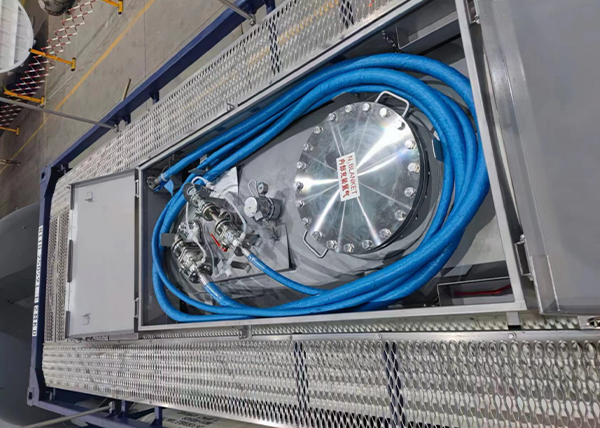
Valves and fittings
Leakage signs
Early detection significantly reduces maintenance costs.
Transport storage tanks can safely store acids, alkalis, solvents, electronic chemicals, petroleum products, and many industrial liquids when properly designed.
PTFE lining offers exceptional resistance to corrosive chemicals, high temperatures, and contamination, making it ideal for demanding industrial applications.
Visual inspections should be conducted regularly, while comprehensive inspections should follow local regulations and operating conditions.
Yes. Capacity, dimensions, lining materials, pressure ratings, and connection configurations can all be customized.
Chemical processing, semiconductor manufacturing, petrochemical production, environmental protection, and electronic chemical industries are among the primary users.
Based on my experience in fluoropolymer-lined equipment manufacturing, selecting the right transport storage tanks is essential for safe chemical transportation, environmental protection, and long-term operational efficiency.
Steel-lined transport storage tanks combine outstanding mechanical strength with superior corrosion resistance, making them an ideal solution for transporting and storing aggressive chemicals. Whether used in semiconductor facilities, chemical plants, petrochemical operations, or environmental projects, these tanks provide reliable performance, extended service life, and enhanced safety.
At Jiangsu Jiexin New Material Co., Ltd., we provide customized transport storage tanks, PTFE-lined equipment, process systems, and turnkey engineering solutions designed to meet the evolving needs of global industrial customers. Our goal is to help clients achieve safer operations, higher reliability, and lower lifecycle costs through advanced fluoropolymer technology.
Address: No. 1 Jingpohu Road, Suqian-Suzhou Industrial Park, Suqian City, Jiangsu Province
Xu Hao: 13813955525
Xu Gang: 15189058237
E-mail: zhaojiguang@jsjcxcl.com.cn


Copyright © 2023 Jiangsu Jiechuang New Materials Co., Ltd sitemap
This website uses cookies to ensure you get the best experience on our website.

 Pусский
 日本語
日本語 한국어
한국어 हिन्दी



 WhatsApp
 Phone
Phone