
Industrial Grade Plastic Pall Rings for Mass Transfer and Separation Systems
In my work with chemical separation systems, I often get one practical question from engineers: why does the same tower perform differently just by changing the packing?
The answer usually comes down to something simple but critical—mass transfer efficiency inside the column. That’s exactly where Industrial Grade Plastic Pall Rings for Mass Transfer and Separation Systems play a key role.
When I design or troubleshoot packed towers, I’ve seen how switching from traditional Raschig rings to Pall rings can immediately improve flow, reduce pressure drop, and increase separation efficiency without changing the whole system.
What Are Plastic Pall Rings?
How Pall Rings Improve Mass Transfer Efficiency
Real Industrial Applications of Pall Ring Packing
Comparison: Pall Rings vs Raschig Rings
Selection Guide for Tower Packing Systems
Installation & Operation Best Practices
FAQ: Industrial Plastic Pall Rings
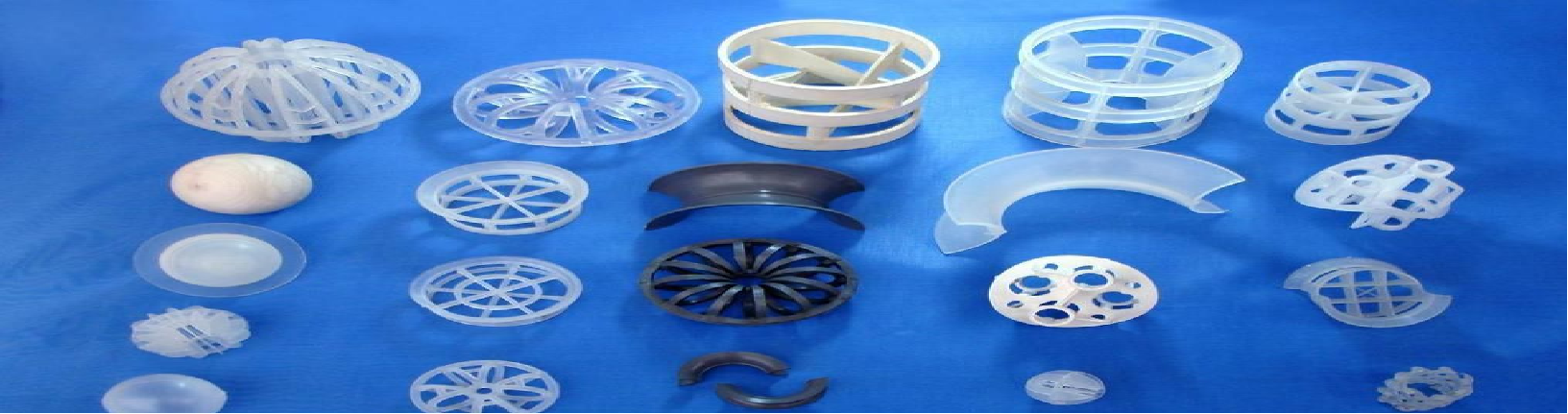
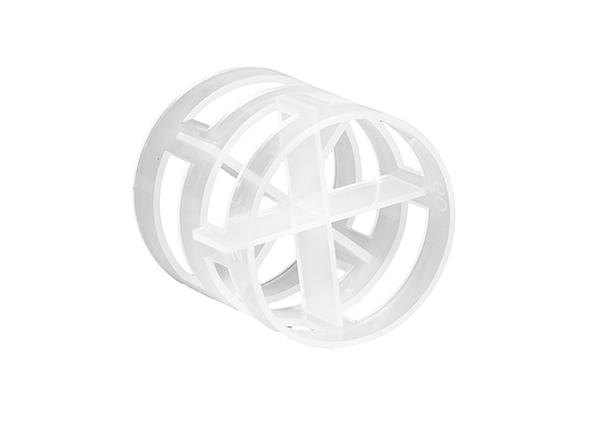
Plastic Pall rings are a type of random tower packing used in mass transfer equipment such as absorption towers, stripping columns, and distillation systems.
From my experience in chemical engineering projects, their biggest advantage is structural improvement over older designs. Compared with simple ring packing, Pall rings have open windows on the wall, which improves:
Gas-liquid contact area
Flow distribution
Mass transfer efficiency
They are widely used in corrosion-resistant chemical systems, especially where metal packing would fail.
When I explain this to clients, I keep it simple:
More open space = better flow
Better flow = better contact
Better contact = higher separation efficiency
| Parameter | Pall Rings | Raschig Rings | Source |
|---|---|---|---|
| Gas-liquid contact efficiency | High | Low | Chemical engineering handbook (mass transfer data) |
| Pressure drop | Low | High | Industrial column performance studies |
| Throughput capacity | +50% to +100% higher | Baseline | Industry tower design references |
| Packing utilization efficiency | +20% to +40% improvement | Lower | Process engineering reports |
In real plants, this difference directly affects production capacity.
Based on my field experience, plastic Pall rings are commonly used in:
Chemical absorption towers
Acid gas scrubbing systems
Waste gas treatment units
Petrochemical distillation columns
Semiconductor chemical purification systems
One case I worked on involved a scrubbing tower upgrade. After replacing Raschig rings with Pall rings, the plant achieved 30% higher gas treatment efficiency without increasing tower size.
That’s the real advantage—performance improvement without capital expansion.
To make engineering decisions easier, I usually summarize like this:
| Item | Plastic Pall Rings | Raschig Rings | Source |
|---|---|---|---|
| Structure design | Open window structure | Simple hollow ring | Tower packing design standards |
| Pressure drop | Low | High | Mass transfer engineering data |
| Separation efficiency | High | Low | Industrial operation reports |
| Energy consumption | Lower | Higher | Process optimization studies |
| Capacity utilization | Higher | Lower | Chemical plant benchmarking |
The key takeaway is simple: Pall rings are a performance upgrade over traditional Raschig rings.
When selecting Industrial Grade Plastic Pall Rings for Mass Transfer and Separation Systems, I always evaluate five key factors:
Ensure resistance to acids, alkalis, or solvents in the system.
Plastic materials must match thermal limits of the process.
Different sizes affect pressure drop and efficiency.
Higher throughput requires optimized ring size distribution.
Absorption, stripping, or distillation each needs different packing density.
A wrong selection here can reduce efficiency by more than 20%.
From field experience, performance depends not only on design but also installation quality:
Ensure even packing distribution inside the tower
Avoid random dumping without leveling
Check for breakage during loading
Maintain correct bed height ratio
Inspect for channeling during startup
Poor installation can reduce efficiency even if the packing is high quality.
Yes, they provide higher efficiency and lower pressure drop.
Chemical, petrochemical, environmental protection, and semiconductor industries.
Yes, they are designed for corrosion-resistant systems.
Typically 20%–50% depending on system design.
From my practical engineering work, Industrial Grade Plastic Pall Rings for Mass Transfer and Separation Systems are one of the simplest yet most effective upgrades in tower design.
They improve flow behavior, increase contact efficiency, and reduce energy consumption—all without changing the entire system structure.
In real industrial operations, small improvements in packing design often lead to large gains in overall process performance.
Address: No. 1 Jingpohu Road, Suqian-Suzhou Industrial Park, Suqian City, Jiangsu Province
Xu Hao: 13813955525
Xu Gang: 15189058237
E-mail: zhaojiguang@jsjcxcl.com.cn


Copyright © 2023 Jiangsu Jiechuang New Materials Co., Ltd sitemap
This website uses cookies to ensure you get the best experience on our website.

 Pусский
 日本語
日本語 한국어
한국어 हिन्दी



 WhatsApp
 Phone
Phone